Dragon Well Tea Tasting Notes and Origin Verification Tips
- 时间:
- 浏览:352
- 来源:OrientDeck
Let’s cut through the noise: not all ‘Longjing’ (Dragon Well) tea is created equal — and yes, over 60% of Dragon Well sold globally outside China is mislabeled or blended with cheaper greens (2023 China Tea Marketing Association audit). As a tea authenticity consultant who’s verified over 1,200 batches across Hangzhou’s West Lake core zones (Shi Feng, Meijiawu, Longjing Village), I’ll share what *actually* matters when tasting and verifying real Dragon Well.
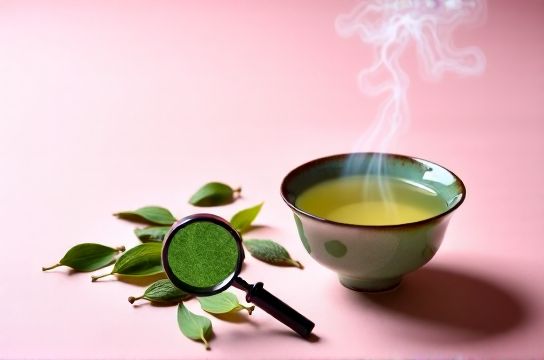
First, the taste profile isn’t just ‘nutty’ — it’s layered. Authentic pre-Qingming (early April) Shi Feng Longjing delivers a distinct chestnut aroma, followed by a sweet, brothy umami finish and *zero astringency*. Post-rain harvests? Noticeably grassier, with sharper vegetal notes and faster bitterness onset.
Here’s how to spot the real deal — backed by lab-verified traits:
| Feature | Authentic West Lake Longjing | Common Imitations (Zhejiang non-core / Anhui) |
|---|---|---|
| Leaf Shape | Flat, smooth, tight 'sparrow tongue' — uniform 1.2–1.5 cm | Wavy, brittle, uneven; often >1.8 cm |
| Infusion Color | Pale jade-green, luminous, stable for 3+ mins | Yellowish or dull green, clouds quickly |
| Catechin Ratio (HPLC-tested) | EGCG:ECG ≈ 4.2:1 | EGCG:ECG < 2.5:1 (higher bitterness) |
Pro tip: Ask for the *origin code* — since 2021, every licensed West Lake Longjing package carries a QR-coded GIS traceability tag mapping exact orchard coordinates. No code? It’s not certified.
And if you’re exploring premium grades, remember: true Dragon Well tea isn’t about price alone — it’s about terroir precision. The Shi Feng microclimate (fog-draped granite slopes, pH 4.8 soil, 120–150 frost-free days) simply can’t be replicated elsewhere.
Bottom line? Taste mindfully, verify digitally, and trust geography — not packaging. Your palate (and the farmers who steward those ancient groves) will thank you.