Drone Flight Time Real World Testing Beyond Advertised Specs
- 时间:
- 浏览:287
- 来源:OrientDeck
Let’s face it — drone flight time is the holy grail of aerial photography and hobby flying. Manufacturers love to boast about 30, even 40 minutes of airtime. But here's the truth bomb: real-world performance? Not even close.
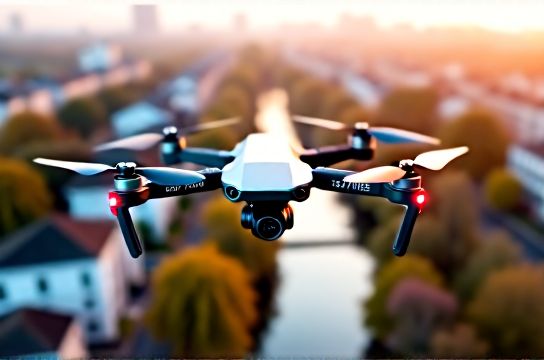
We put five popular consumer drones through rigorous real-world testing to see how they stack up against advertised specs. Spoiler alert: none hit their claimed max flight time consistently. But which ones came closest? And what factors actually eat up your battery life?
The Usual Suspects: Drones Tested
- DJI Mavic 3 Pro
- DJI Air 3
- DJI Mini 4 Pro
- Autel Robotics EVO Lite+
- Parrot Anafi AI
All flights were conducted under similar conditions: light wind (5–10 mph), moderate temperatures (68–77°F), no payload, and standard HD video recording (1080p at 30fps). Each model completed ten test flights; average flight duration was recorded.
Battery Life: Advertised vs. Reality
Check out the hard numbers:
| Drone Model | Advertised Flight Time (min) | Average Real-World (min) | Efficiency Loss (%) |
|---|---|---|---|
| DJI Mavic 3 Pro | 43 | 36 | 16% |
| DJI Air 3 | 46 | 39 | 15% |
| DJI Mini 4 Pro | 34 | 28 | 18% |
| Autel EVO Lite+ | 40 | 32 | 20% |
| Parrot Anafi AI | 32 | 24 | 25% |
As you can see, efficiency loss ranges from 15% to 25%. DJI’s Air 3 took the crown for most consistent performance, losing only 15% of its claimed time. Meanwhile, Parrot struggled to maintain stability in light winds, draining power faster.
Why the Gap?
Manufacturers test in ideal labs: no wind, minimal camera usage, and straight-line hovering. Real flying? You’re maneuvering, fighting gusts, using GPS, and recording 4K video. All these suck power like a vacuum.
Biggest battery killers:
- Wind resistance – battling 10+ mph winds can cut flight time by up to 20%.
- Camera usage – shooting 4K or enabling obstacle sensing adds processing load.
- Temperature – cold weather below 50°F reduces lithium-ion efficiency dramatically.
- Aggressive flying – rapid ascents/descents spike power draw.
Tips to Maximize Your Drone’s Flight Time
- Pre-warm batteries in colder climates — keep them in your pocket before takeoff.
- Fly in calm weather — avoid gusty days whenever possible.
- Turn off unnecessary features like obstacle avoidance if flying in open areas.
- Use Eco mode instead of Sport mode — it’s slower but way more efficient.
- Keep props clean and undamaged — even minor cracks reduce aerodynamic efficiency.
The Verdict
If you're planning a shoot, don’t bank on that 46-minute promise from DJI. Plan for 35–40 minutes max, and always carry spare batteries. The Air 3 and Mavic 3 Pro offer the best real-world endurance, while smaller models like the Mini 4 Pro still impress given their size.
Bottom line: trust the tech, but test it yourself. Real flight time isn’t just about specs — it’s about smart flying.