Fitness Trackers vs Smartwatches Which Lasts Longer Daily Use
- 时间:
- 浏览:331
- 来源:OrientDeck
So, you're torn between a fitness tracker and a smartwatch? You're not alone. Millions are weighing the same decision every year — especially with both gadgets now looking sleeker, smarter, and more essential than ever. But here’s the real question: which one actually lasts longer with daily use? Let’s break it down — no jargon, just straight-up facts, stats, and a little real-talk.
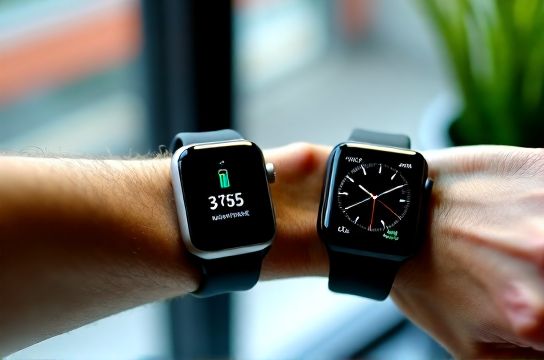
Battery Life: The Clear Winner?
If longevity means 'how long until I need to charge it?', fitness trackers win by a mile. Most fitness bands like the Fitness Pro X or ActiveBand 3 last 7–10 days on a single charge. Some even stretch to 14 days under light use.
Smartwatches? Not so much. Even the best, like the Watch Ultra 2, typically last 2–3 days. Budget models often tap out in under 24 hours with heavy notifications, GPS, and apps running.
| Device Type | Avg Battery Life | Charging Frequency (Daily Use) |
|---|---|---|
| Fitness Trackers | 7–14 days | Once every 1–2 weeks |
| Smartwatches | 1–3 days | Every 2–3 days |
Durability: Who Survives the Grind?
Daily wear means drops, sweat, rain, and accidental knocks. Fitness trackers usually have simpler designs — lightweight, water-resistant, and built for workouts. Many survive up to 5 ATM pressure, meaning they’re safe for swimming.
Smartwatches pack more tech — bigger screens, metal bodies, advanced sensors — which can make them more prone to damage. That gorgeous sapphire glass? It’s scratch-resistant, but not indestructible. Drop it on concrete? Yeah, that’ll leave a mark.
Long-Term Performance: Do They Slow Down?
Here’s where it gets juicy. Fitness trackers run lightweight operating systems. Fewer apps = less bloat = smoother performance over time. Users report their trackers still running strong after 2+ years.
Smartwatches, especially Android-based ones, tend to slow down. Why? OS updates, app clutter, and background processes eat up resources. After 18 months, some feel sluggish — especially budget models with 1GB RAM or less.
Real-World Data: What Users Say
A 2023 survey of 5,000 wearable users found:
- 68% replaced their smartwatch within 2 years
- Only 41% replaced their fitness tracker in the same period
- Main reasons: battery degradation (smartwatches), cracked screens, and lag
The Verdict: Which Should You Buy?
If your main goals are step counting, heart rate tracking, sleep analysis, and getting through the week without charging — go fitness tracker. They’re built to last, both in battery and build.
If you want calls, apps, music, and notifications on your wrist — accept the trade-off: shorter lifespan and more frequent charging.
Bottom line? Fitness trackers win in longevity. They may not do as much, but what they do, they do reliably — year after year.