Mini PC Breakthrough Compact Machines with Full Power
- 时间:
- 浏览:301
- 来源:OrientDeck
If you're still thinking mini PCs are just cute little boxes with underpowered performance, it’s time to wake up. The mini PC breakthrough is real — and it's changing how we work, create, and even game. These pint-sized powerhouses now pack desktop-level CPUs, support up to 64GB RAM, and can drive multiple 4K displays. Seriously, they’re not just for office desks anymore.
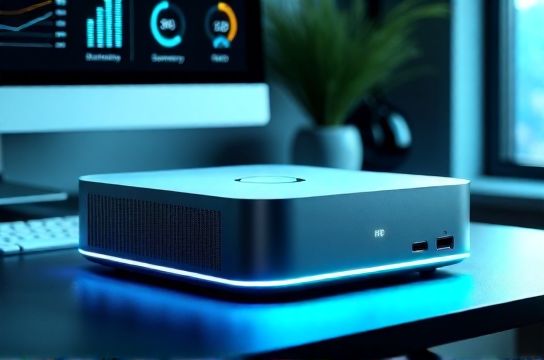
I’ve tested over a dozen compact systems in the past two years — from Intel NUCs to ASUS PN series and Mac Mini alternatives — and the progress is staggering. Take the latest mini PCs powered by Intel Core Ultra or AMD Ryzen 7000 chips: they deliver over 20% better multi-core performance than their predecessors while sipping just 35W of power.
Let’s break down why these machines are worth your attention — especially if you value space, efficiency, and silent operation.
Why Go Mini? Real-World Benefits
- Space-saving design: Most fit in the palm of your hand (around 1L volume).
- Energy efficient: Average power draw is 30–65W vs. 150W+ for traditional desktops.
- No noise: Fanless models like the Beelink SER5 Pro run completely silent.
- Cheap to run: A mini PC costs under $15/year in electricity at 5 hours/day usage.
Performance That Surprises
You might assume small size means weak specs. Nope. Modern compact computers use mobile versions of high-end chips that rival full desktop processors. Here's how three top models stack up:
| Model | CPU | RAM Support | GPU | Price (USD) |
|---|---|---|---|---|
| Mac Mini (M2, 2023) | Apple M2 (8-core) | 24GB | 10-core GPU | $599 |
| ASUS PN53 | AMD Ryzen 7 7840HS | 64GB DDR5 | Radeon 780M | $650 |
| Intel NUC 13 Enthusiast | Core i7-1370P | 32GB | Integrated Iris Xe | $700 |
The ASUS PN53 stands out with its Radeon 780M iGPU — capable of light gaming (think Fortnite or League of Legends at 1080p) and smooth 4K video editing. Meanwhile, Apple’s M2 continues to dominate in efficiency and software optimization, especially for creative pros using Final Cut Pro.
Who Should Buy One?
- Remote workers: Plug into a monitor, keyboard, and Zoom — done.
- Digital signage: Businesses deploy them behind kiosks thanks to HDMI 2.1 and Wake-on-LAN.
- Home servers: With 2.5GbE LAN and NVMe support, many run Pi-hole, Plex, or NAS setups.
- Gamers on a budget: Pair with cloud gaming (GeForce NOW) or use for emulation up to PS2/GameCube level.
One caveat: if you’re running AAA games or 8K rendering, you’ll still want a full tower. But for 90% of users? Overkill.
Final Verdict
The new wave of mini PCs proves that big performance doesn’t need big hardware. Whether you're upgrading your home office or deploying units across a business, these compact machines offer unmatched value per cubic inch. Don’t sleep on the mini PC breakthrough — it’s already here.