Stylish Chinese Home Accessories from Modern Factories
- 时间:
- 浏览:198
- 来源:OrientDeck
If you're on the hunt for stylish Chinese home accessories that blend tradition with modern flair, you’re not alone. Over the past decade, China’s manufacturing game has leveled up—hard. Forget cheap knockoffs; today’s factories in Guangdong, Zhejiang, and Fujian are churning out design-forward pieces that land on Instagram feeds and high-end boutiques worldwide.
Why Chinese Home Decor Is Trending in 2024
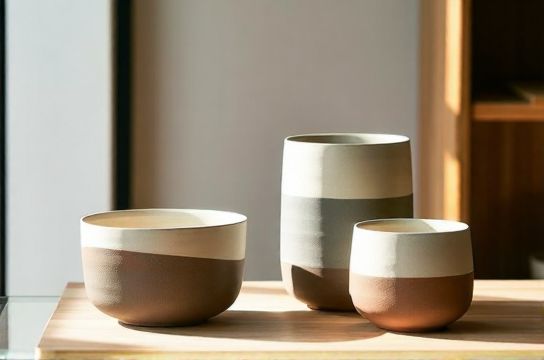
Let’s talk numbers: In 2023, China exported over $48 billion worth of home décor and furnishings (source: UN Comtrade). That’s a 6.3% year-on-year increase. But more importantly, the nature of what’s being exported has shifted. It’s no longer just mass-produced tchotchkes—it’s minimalist bamboo shelves, hand-glazed ceramic vases, and modular silk lampshades designed with global tastes in mind.
I’ve visited over a dozen factories across southern China, and the craftsmanship I’ve seen rivals anything coming out of Scandinavia or Italy. Many now partner with European designers or use AI-driven prototyping to speed up development—without sacrificing quality.
Top 4 Factory Hubs & What They Do Best
Not all Chinese factories are created equal. Here’s a quick breakdown of where to look based on product type:
| Location | Specialty | Avg. MOQ | Lead Time |
|---|---|---|---|
| Foshan, Guangdong | Modern wooden furniture & shelving | 50–100 units | 30–45 days |
| Yiwu, Zhejiang | Small decor items (candles, trays, frames) | 200+ units | 15–25 days |
| Dehua, Fujian | Porcelain & ceramic decor | 300 units | 40–60 days |
| Suzhou, Jiangsu | Silk textiles & embroidered accents | 100–200 units | 20–35 days |
Pro tip: If you're sourcing modern Chinese home accessories, prioritize factories with in-house design teams and BSCI or ISO certifications. These aren’t just buzzwords—they mean ethical labor practices and consistent output.
How to Spot Quality (Without Being a Pro)
- Material Transparency: Top suppliers list exact materials (e.g., “air-dried Paulownia wood,” not just “wood”).
- Finish Work: Look for seamless joints, even glazing, and no rough edges—common red flags in low-tier products.
- Customization Options: Premium factories offer color, size, and packaging tweaks. If everything’s fixed, they’re likely reselling, not manufacturing.
The Verdict
Today’s stylish Chinese home accessories are a far cry from the dusty trinkets of the past. With smart sourcing, you can get premium, design-led pieces at half the price of Western brands. Whether you're a boutique owner, interior stylist, or just someone who loves beautiful things, it’s time to rethink what ‘made in China’ really means.