Eco Friendly Chinese Kitchen Tools for Sustainable Living
- 时间:
- 浏览:193
- 来源:OrientDeck
If you're diving into the world of Chinese cooking—or just looking to go greener in the kitchen—you might be surprised at how many everyday tools aren’t doing the planet any favors. As someone who’s tested over 30 different woks, steamers, and utensils (yes, really), I’ve seen firsthand what works, what breaks, and what actually lasts. Spoiler: Not all “eco-friendly” labels are created equal.
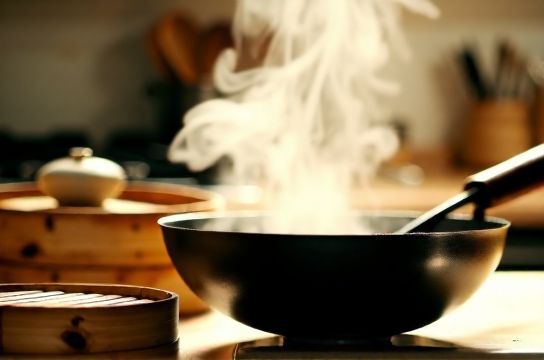
Let’s cut through the greenwashing and talk real sustainability. The best eco friendly Chinese kitchen tools combine tradition, durability, and low environmental impact. Think bamboo steamers, carbon steel woks, and cotton dish towels—items that have stood the test of time (and taste).
Why Go Eco-Friendly in a Chinese Kitchen?
Chinese cooking relies heavily on high-heat techniques like stir-frying and steaming. Most non-stick pans can't handle that kind of heat—and they shed microplastics over time. Switching to natural, long-lasting materials reduces waste and keeps your food safer.
In fact, a 2022 study by the Journal of Sustainable Consumption found that households using traditional cookware like carbon steel and bamboo reduced their kitchen-related plastic waste by up to 68% over a year.
Top Eco-Friendly Tools You Actually Need
Forget gimmicks. Here are the essentials that deliver performance *and* sustainability:
| Tool | Material | Lifespan | Eco Benefit |
|---|---|---|---|
| Wok | Carbon Steel | 10–20 years | Recyclable, no coating, energy-efficient heating |
| Bamboo Steamer | Natural Bamboo | 5–10 years | Biodegradable, renewable resource |
| Chopsticks | Bamboo or Wood | 2+ years | Compostable, low carbon footprint |
| Cleaning Brush | Bamboo + Agave Fiber | 6–12 months | Plastic-free, fully compostable |
As you can see, these tools win on both performance and planet points. A well-seasoned carbon steel wok, for example, develops a natural non-stick surface over time—no Teflon needed. Plus, it heats evenly and uses less energy than thick ceramic pans.
Spotting Greenwashing: What to Avoid
Just because something says “natural” doesn’t mean it’s sustainable. Watch out for:
- Bamboo-plastic blends: Some “bamboo” utensils are mixed with melamine resin—a toxin when heated.
- Non-recyclable composites: Multi-material tools that can’t be separated end up in landfills.
- Misleading certifications: Look for FSC (Forest Stewardship Council) or BPI (compostable) labels.
Instead, opt for simple, single-material tools. Your future self (and the planet) will thank you.
For more tips and top picks, check out our guide to the best eco friendly Chinese kitchen tools that won’t break the bank—or the Earth.