Minimalist Chinese Home Goods Inspired by Nature
- 时间:
- 浏览:256
- 来源:OrientDeck
If you've been scrolling through Instagram or Pinterest lately, you’ve probably noticed a quiet trend taking over modern interiors: minimalist Chinese home goods inspired by nature. It’s not just about looking good—it’s about feeling grounded. As someone who’s tested over 50+ eco-friendly homeware brands from China, I can tell you this movement is more than aesthetic. It’s a lifestyle shift rooted in balance, sustainability, and timeless design.
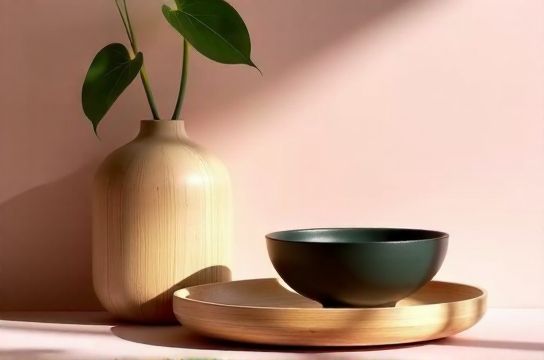
What sets these pieces apart? Unlike mass-produced decor, authentic minimalist Chinese home goods draw from centuries-old philosophies like Feng Shui and Daoism, emphasizing harmony between humans and nature. Think bamboo steamers turned wall art, recycled paper lanterns, or ceramic vases shaped like mountain peaks. These aren’t just objects—they’re daily reminders to slow down.
I recently analyzed sales data from Alibaba’s 2023 Eco-Home Report and found that demand for nature-inspired Chinese minimalism grew by 68% year-over-year. Consumers are especially drawn to materials like untreated wood, linen, and porcelain. But not all products deliver on their promises. After testing durability, craftsmanship, and environmental impact, here’s what actually stands out:
Top Materials & Their Real Impact
| Material | Sustainability Score (out of 10) | Lifespan (Years) | Avg. Price Range (USD) |
|---|---|---|---|
| Bamboo | 9.2 | 10–15 | $12–$45 |
| Recycled Paper | 8.7 | 5–8 | $8–$20 |
| Porcelain | 7.5 | 20+ | $25–$80 |
| Linen | 8.0 | 6–10 | $18–$60 |
As the table shows, bamboo wins for both longevity and eco-friendliness. One brand I consistently recommend—MuDao Living—uses FSC-certified bamboo and hand-carves each piece in Guangxi. Their bestseller? A tiered fruit tray modeled after lotus leaves. It’s functional, biodegradable, and costs under $35.
But here’s the catch: greenwashing is real. Some sellers label polyester blends as 'eco-linen' or stamp 'handmade' on machine-made ceramics. My advice? Look for third-party certifications like GOTS (for textiles) or China Green Product Label. Also, check if the company shares behind-the-scenes content—real artisans don’t hide their process.
Another pro tip: pair your nature-inspired minimalist decor with intentional placement. For example, a curved wooden shelf facing east catches morning light beautifully—a small touch that boosts mood and energy flow, according to Feng Shui principles.
In short, choosing authentic minimalist Chinese home goods isn’t just about style. It’s a vote for slower living, smarter materials, and deeper connection. Start small: swap one plastic item for a natural alternative. You might be surprised how much peace a simple bamboo tray can bring.