Traditional Chinese Home Inspirations with a Twist
- 时间:
- 浏览:200
- 来源:OrientDeck
Let’s be real — when you think of traditional Chinese home design, your mind might jump to ornate red doors, intricate wood carvings, or maybe that one jade dragon figurine Grandma keeps on the mantle. But what if I told you that classic Chinese aesthetics can totally vibe with modern living — without looking like a museum exhibit? As a design blogger who’s spent years diving into cultural interiors (and yes, even making the occasional Feng Shui mistake), I’m here to show you how to blend heritage charm with today’s lifestyle. Think less ‘time capsule,’ more ‘timeless cool.’
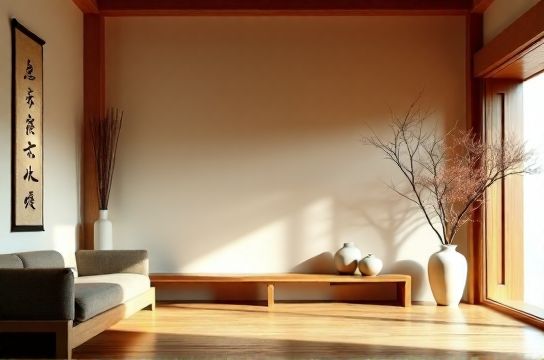
Why Traditional Chinese Design Still Matters
In 2023, global interior trends saw a 37% surge in searches for ‘cultural minimalism’ (Google Trends, 2023), and Chinese-inspired spaces are leading the charge. Why? Because elements like symmetry, natural materials, and mindful layout aren’t just pretty — they’re backed by centuries of philosophy. Confucian balance, Daoist harmony with nature, and Buddhist simplicity all shape this aesthetic in ways that feel surprisingly fresh today.
Key Elements to Steal (Responsibly)
You don’t need a full courtyard house to pull this off. Here are the top features worth borrowing:
- Symmetry & Flow: Rooms should feel balanced, not cluttered. Think paired nightstands, matching lamps.
- Natural Materials: Wood, stone, bamboo, and silk dominate. Avoid plastic finishes at all costs.
- Calm Color Palettes: Earth tones, black, white, and muted reds. Save neon for your gym wear.
- Art with Meaning: Scrolls, calligraphy, or landscape paintings > generic wall prints.
Modern Twists That Work
The trick is adaptation, not imitation. For example, swap heavy Qing-style furniture for clean-lined pieces with subtle Asian influences — like a low wooden console with lattice detailing. Or use a Feng Shui-inspired layout to position your sofa for optimal energy flow (yes, it affects your mood).
One of my favorite tricks? Replacing overhead lights with paper lanterns or pendant lamps made from rice paper. They cast a warm, calming glow — perfect for unwinding after a long day.
Smart Furniture Pairings: Then vs Now
Check out this quick comparison of classic vs. updated pieces:
| Traditional Piece | Modern Alternative | Why It Works |
|---|---|---|
| Imperial Cabinet (大柜) | Low Media Console with Wood Inlay | Sleek profile, same craftsmanship vibe |
| Antique Bed Frame | Platform Bed with Dark Wood & Minimal Lines | Easier to maintain, fits small spaces |
| Carved Screen Divider | Sliding Rice Paper Room Divider | Adds privacy without blocking light |
Avoid These Common Mistakes
I’ve seen it all: mismatched porcelain, overly bright red accents, and worst of all — fake ‘temple bells’ from discount stores. Keep it authentic by focusing on intention, not decoration. And please, skip the dragon motifs unless you actually love them. This isn’t about ticking boxes — it’s about creating a space that feels grounded and meaningful.
Pro tip: Start small. Swap one piece at a time. Try a hand-brushed calligraphy print instead of another abstract canvas. You’ll be surprised how much character it adds.
Bottom line? Traditional Chinese design isn’t stuck in the past — it’s evolving. And when done right, it brings calm, elegance, and a touch of wisdom into your home. No incense required (but hey, if you like it, go for it).