Advanced Chinese Kitchen Technology in Everyday Tools
- 时间:
- 浏览:287
- 来源:OrientDeck
If you've ever wondered why Chinese kitchens manage to whip up complex meals so fast, quiet, and efficient—it’s not just skill. It's advanced Chinese kitchen technology baked into everyday tools most people overlook. From smart woks to steamers with precision sensors, China isn’t just leading in manufacturing; it’s redefining home cooking.
The Hidden Tech Behind Common Tools
Take the humble rice cooker. In China, it’s evolved from a basic heating pot into an AI-powered appliance that adjusts water absorption based on grain type and even room humidity. Brands like Midea and Joyoung now integrate IoT connectivity, letting users control cooking via smartphone—perfect for timing dinner after work.
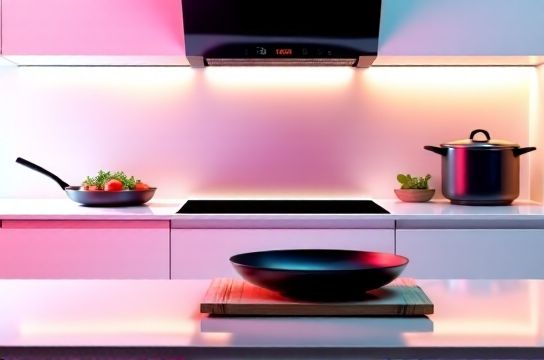
But it doesn't stop there. Induction cooktops designed for wok use generate up to 2,200 watts with magnetic field precision, heating only the pan—not the surface. This reduces energy waste by 30% compared to traditional gas (according to 2023 data from China Household Electrical Appliances Association).
Smart Steamers: Health Meets Efficiency
One of the biggest innovations? Smart multi-layer steamers. These aren’t your grandma’s bamboo baskets. Modern versions feature digital timers, auto-shutoff, and sterilization modes using high-temp steam—great for baby bottles or meal prep.
| Feature | Traditional Steamer | Smart Steamer (China, 2024) |
|---|---|---|
| Temperature Control | Limited | Precise (80°C–120°C) |
| Energy Source | Gas/Electric Coil | Induction + Smart Sensors |
| Average Cooking Time | 25 min | 14 min |
| App Integration | No | Yes (iOS/Android) |
As you can see, the efficiency leap is real. And with over 68% of urban Chinese households now using smart kitchen devices (per iiMedia Research), it’s clear this isn’t a trend—it’s the new standard.
Why This Matters for Global Cooks
You don’t need to speak Mandarin to benefit from advanced Chinese kitchen technology. Many of these tools are now exported, often at half the price of Western smart appliances. Plus, they're built for high-heat, fast-cook styles common in stir-fries, dumplings, and soups—making them ideal for busy home chefs worldwide.
For example, Xiaomi’s Mi Smart Cooker syncs with voice assistants and offers over 200 preset recipes—including regional Chinese dishes tested by actual chefs. That kind of culinary intelligence packed into a $70 device? Now that’s innovation.
Final Tips: How to Choose
Look for CE or CCC safety certifications if importing. Prioritize models with bilingual apps and voltage compatibility (220V–240V). And don’t skip user reviews—especially those mentioning long-term durability.
In short, if you want faster, smarter, and healthier meals, start exploring what Chinese kitchen tech has to offer. It’s not just about gadgets—it’s about upgrading your entire cooking experience.