Sustainable Materials Used in Creative Home Goods China
- 时间:
- 浏览:182
- 来源:OrientDeck
If you're into eco-friendly living or just curious about how your home goods are made, let’s talk about something that’s quietly revolutionizing the market: sustainable materials in creative home goods from China. Spoiler alert — it’s not just bamboo and recycled paper anymore.
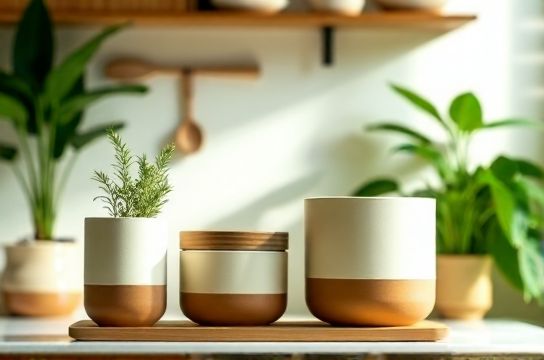
China has transformed from being seen as a mass manufacturer to becoming a hub for innovative, planet-friendly home products. From kitchenware to décor, Chinese designers and factories are blending tradition with sustainability. And honestly? It’s impressive.
Why Sustainable Materials Matter Now More Than Ever
The global sustainable home goods market is projected to hit $60 billion by 2027 (Grand View Research). With rising awareness about climate change and plastic pollution, consumers are demanding transparency. That’s where China steps in — adapting fast.
But what exactly makes a material “sustainable”? Think renewable, biodegradable, low-carbon, and non-toxic. The best part? Many of these materials have been used in China for centuries — now they’re getting a modern upgrade.
Top 5 Sustainable Materials Taking Over Chinese Home Goods
| Material | Source | Eco Benefits | Common Uses |
|---|---|---|---|
| Bamboo Fiber | Fasted-growing grass (not wood!) | Biodegradable, requires no pesticides | Dishware, cutting boards, textiles |
| Recycled Ceramics | Post-industrial waste | Reduces landfill use by up to 40% | Vases, mugs, tiles |
| Rice Husk Composite | Agricultural byproduct | Plastic alternative, fully compostable | Utensils, trays, storage containers |
| Hemp Fabric | Natural plant fiber | Uses 50% less water than cotton | Curtains, table runners, napkins |
| Water-Based Resin | Non-petroleum formula | Low VOC emissions, safer indoor air | Decorative objects, lamps |
As you can see, these aren’t just greenwashed buzzwords — real innovation is happening. For example, sustainable materials in creative home goods China like rice husk composites turn farm waste into durable, stylish products. One factory in Zhejiang reports turning over 8,000 tons of rice waste annually into usable goods — that’s equivalent to taking 1,200 cars off the road in CO₂ savings.
How to Spot Genuine Sustainability (Not Just Marketing)
Let’s be real — not all “eco” labels are trustworthy. Here’s how to tell the difference:
- Look for certifications: FSC, GOTS, or China Environmental Label.
- Check the supply chain: Are materials locally sourced? Shorter chains = lower carbon.
- Avoid vague terms: “Green” or “natural” mean nothing without proof.
Brands like MindtheGAP and Yuniku Studio are leading the charge by publishing full lifecycle assessments. They even let customers scan QR codes on packaging to see where each material came from. Now that’s transparency.
If you're sourcing or buying, always ask: Can this be composted, recycled, or safely returned to nature? If yes, you’re on the right track.
To dive deeper, check out how creative home goods from China are redefining sustainable design — it’s more than just looks, it’s legacy.