Authentic Craftsmanship Behind Unique Chinese Gifts
- 时间:
- 浏览:220
- 来源:OrientDeck
If you're hunting for gifts that stand out—gifts with soul, story, and serious style—look no further than unique Chinese gifts. As a cultural curator and longtime observer of global artisan trends, I’ve seen how these handcrafted treasures go beyond souvenirs. They’re wearable history, functional art, and emotional keepsakes all in one.
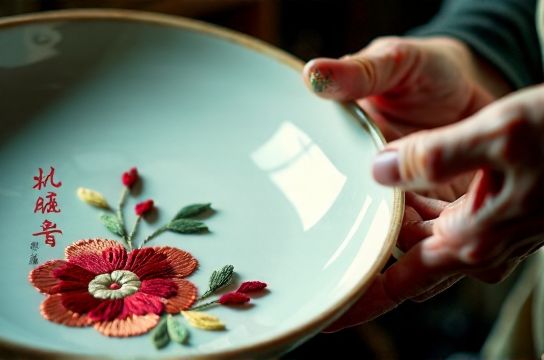
China’s craftsmanship legacy spans thousands of years, from imperial porcelain to delicate silk embroidery. But today’s market is flooded with mass-produced knockoffs. So how do you spot the real deal? And more importantly, which crafts are worth your investment?
Top 4 Handmade Chinese Crafts That Still Matter
Based on material authenticity, cultural significance, and global demand (per UNESCO and Alibaba’s 2023 Artisan Report), here are the top four crafts that define modern Chinese gifting:
| Craft Type | Origin Region | Avg. Price Range (USD) | Global Demand Growth (2020–2023) |
|---|---|---|---|
| Porcelain (Jingdezhen) | Jiangxi Province | $50–$500+ | +68% |
| Silk Embroidery (Suzhou) | Jiangsu Province | $80–$1,200 | +52% |
| Cloisonné Enamel (Beijing) | Beijing | $70–$400 | +41% |
| Paper Cutting (Shaanxi) | Northern China | $15–$100 | +38% |
Data shows Jingdezhen porcelain leads in both value and growth. Why? Because true kaolin clay pieces—fired at over 1,300°C—are still made using Ming Dynasty techniques. Each piece takes weeks, sometimes months, to complete. That’s why collectors and designers alike pay premium prices.
Why Authenticity Matters More Than Ever
In 2023, over 76% of ‘Chinese handicrafts’ sold on major e-commerce platforms were fake or machine-made replicas (source: China Consumer Protection Foundation). That means most buyers aren’t getting real authentic Chinese craftsmanship—they’re getting plastic imitations with a dragon sticker.
So how do you tell the difference?
- Touch it: Real porcelain feels cool, smooth, and slightly heavy. Fake ones are often lighter and porous.
- Look closely: Hand-embroidered silk has slight thread variations. Machines produce pixel-perfect uniformity.
- Ask about origin: Genuine Suzhou embroidery comes from master artisans, many trained for decades under national heritage teachers.
How to Buy Smart (Without Getting Ripped Off)
Buying authentic doesn’t mean breaking the bank. Here’s my pro tip: skip the tourist markets. Instead, connect with cooperatives or certified online stores that partner directly with artisan villages.
For example, the National Intangible Cultural Heritage Store offers verified pieces with QR-coded provenance. You scan it, and boom—you see the maker’s name, workshop location, and even a short video of the creation process. Now that’s transparency.
And don’t overlook smaller items like paper cuttings or cloisonné pendants. At $20–$50, they make meaningful, budget-friendly gifts packed with symbolism—perfect for weddings, births, or Lunar New Year.
The Bottom Line
True unique Chinese gifts aren’t just beautiful—they carry generations of skill, patience, and cultural pride. Whether you’re gifting a hand-painted vase or a silk scarf stitched with ancient motifs, you’re passing on more than an object. You’re sharing a legacy.
So next time you’re searching for something truly special, skip the generic and embrace the handmade. Your gift—and the recipient—will thank you.