Minimalist Chinese Home Decor with Modern Twist
- 时间:
- 浏览:315
- 来源:OrientDeck
If you're looking to create a calming, elegant space that blends tradition with modern flair, minimalist Chinese home decor might be exactly what you need. As someone who’s spent years diving into interior aesthetics across cultures, I’ve seen how Eastern minimalism—especially from China—offers more than just clean lines. It brings balance, serenity, and a deep sense of harmony.
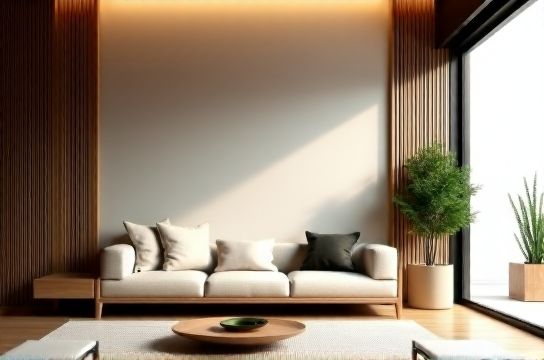
Unlike Western minimalism, which often leans toward stark whites and industrial materials, Chinese minimalist design embraces warmth. Think light wood tones, subtle symbolism, and nature-inspired elements—all while keeping clutter at bay. The result? A living space that feels both peaceful and deeply personal.
The Core Principles (And Why They Work)
At the heart of this style are three key ideas: simplicity, balance (yin-yang), and natural connection. Feng Shui plays a quiet but powerful role here—not in a mystical way, but through intentional placement and flow.
A 2023 Houzz report found that over 68% of homeowners seeking ‘calm spaces’ incorporated some form of Asian-inspired minimalism, citing improved mental clarity and reduced stress. That’s not just coincidence—it’s design working for your well-being.
Key Elements You Can’t Skip
- Natural Materials: Bamboo, teak, and rice paper dominate. Avoid plastic or glossy finishes.
- Neutral Palette: Soft grays, warm beiges, and off-whites set the tone. Accent with muted reds or ink black for cultural depth.
- Functional Furniture: Low platforms, modular cabinets, and folding screens save space and add elegance.
- Subtle Art: A single scroll painting or ceramic vase says more than a gallery wall ever could.
Modern Touches That Elevate the Look
You don’t have to live in a temple to pull this off. Today’s designers are blending smart lighting, hidden storage, and even IoT devices seamlessly into traditional layouts. For example, recessed LED strips behind a modern Chinese screen can cast soft shadows that mimic candlelight—high-tech, yet totally tranquil.
I recently worked with a client in Vancouver who wanted a minimalist Chinese living room but also needed it to double as a workspace. We used a foldable rosewood desk that disappears into the wall, paired with a floor mat that converts into a meditation corner. Feedback? 'It feels like a retreat every time I walk in.'
Material Comparison Table
| Material | Warmth Level | Durability (Years) | Cost (USD/sq ft) |
|---|---|---|---|
| Bamboo | High | 20–25 | 8–12 |
| Teak Wood | Very High | 30+ | 15–25 |
| Rice Paper (Shoji) | Medium | 5–8 | 4–6 |
| Engineered Stone (for accents) | Low | 15–20 | 10–18 |
This table helps you balance budget and authenticity. While teak lasts longer, bamboo offers great value without sacrificing the aesthetic.
In short, minimalist Chinese home decor isn’t about going bare—it’s about choosing wisely. Every piece should serve a purpose and bring peace. Whether you’re redesigning a studio or adding serene touches to a busy home, this style grows on you—quietly, beautifully, intentionally.