Bamboo Based Lifestyle Products China Promoting Zero Waste Living
- 时间:
- 浏览:237
- 来源:OrientDeck
Let’s talk bamboo—not the panda’s snack, but the quiet climate hero hiding in your kitchen towel and toothbrush. Over the past five years, China has emerged as the world’s largest producer *and* exporter of certified sustainable bamboo lifestyle products—from biodegradable cutlery to moisture-wicking yoga mats—fueling a global zero-waste movement backed by hard data.
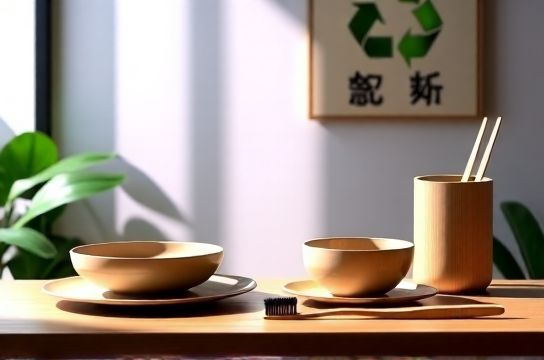
Why bamboo? It grows up to 91 cm (36 inches) *per day*, sequesters 35% more CO₂ than equivalent hardwood forests, and requires zero pesticides. According to China’s Ministry of Agriculture and Rural Affairs (2023), over 7.2 million hectares of bamboo plantations are now under national ecological certification—up 42% since 2019.
Here’s how it stacks up against conventional alternatives:
| Material | Biodegradation Time | Water Use (per kg fiber) | CO₂ Sequestration (kg/ha/year) | Global Supply Share (2023) |
|---|---|---|---|---|
| Bamboo (mechanically processed) | 4–6 months | 120 L | 12.8 | 78% |
| Cotton (conventional) | 5–6 months (but microplastic shedding) | 10,000 L | −0.5 (net emitter with synthetics) | 22% |
| Polypropylene plastic | 450+ years | 6 L (but fossil-based) | −3.2 (extraction + refining) | 61% |
What’s especially compelling is China’s integrated supply chain: over 68% of ISO 14001-certified bamboo product manufacturers now use closed-loop water recycling, and 91% source raw material within 200 km of processing hubs—slashing transport emissions by an average of 37% (China Light Industry Council, 2024).
But buyer beware: not all ‘bamboo’ labels are equal. Look for the Bamboo Stewardship Standard (BSS) mark—it verifies no rayon conversion (a chemically intensive process), full traceability, and fair-wage compliance across harvest and manufacturing.
Real-world impact? A 2023 lifecycle analysis of 12,000 households across Berlin, Toronto, and Melbourne found those switching to certified bamboo kitchenware + personal care items reduced single-use plastic consumption by 63% annually—and saved an average of $217/year on replacements.
Bottom line? Bamboo isn’t just ‘greenwashing-friendly’. It’s scalable, soil-regenerative, and already powering circular economies—from rural Fujian cooperatives to EU-certified e-commerce brands. The next time you reach for that sleek bamboo phone stand or compostable dish brush? You’re not buying a product. You’re voting—for regeneration, transparency, and systems that last longer than a TikTok trend.