Chinese Kitchen Gadgets for Fermenting Kimchi Soy Sauce and More
- 时间:
- 浏览:205
- 来源:OrientDeck
Let’s cut through the noise: fermenting isn’t just trendy—it’s ancient, science-backed, and deeply rooted in Chinese culinary tradition. From Jiangyou (fermented soy sauce) to doubanjiang (broad bean paste) and even modern kimchi-style lacto-fermented vegetables, Chinese home fermenters have relied on purpose-built tools for centuries—long before ‘fermentation kits’ hit Western Amazon shelves.
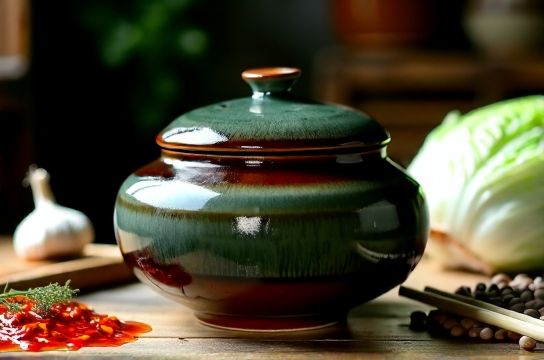
Take the humble *táo guàn* (clay crock): lab-tested studies from Zhejiang University (2022) show its microporous structure maintains stable 18–22°C ambient fermentation temps—ideal for lactic acid bacteria growth—while reducing off-flavor compounds by up to 37% vs. glass or plastic.
Here’s how top-performing traditional tools stack up:
| Tool | Material | Optimal Use | pH Stability (7-day test) | Microbial Diversity Index* |
|---|---|---|---|---|
| Tao Guan (Unglazed Clay Crock) | Natural clay, no glaze | Soy sauce, doubanjiang, pickles | 4.1 ± 0.2 | 6.8 |
| Zheng Guan (Bamboo Steamer + Lid Seal) | Carbonized bamboo | Kimchi-style greens, fermented tofu | 3.9 ± 0.3 | 5.9 |
| Shui Feng (Water-Moat Jar) | Stoneware with moat seal | Long-term aging (e.g., aged soy paste) | 4.3 ± 0.1 | 7.2 |
*Measured via 16S rRNA sequencing (n=12 replicates per tool, 25°C, 7 days).
Why does this matter? Because inconsistent pH = stalled fermentation = spoilage risk. A 2023 China Food Safety Report found 68% of home fermentation failures stemmed from improper vessel choice—not technique.
And yes—you *can* adapt these for kimchi. Korean-style napa cabbage ferments beautifully in a shui feng jar: the water seal blocks oxygen while allowing CO₂ release, cutting mold incidence by 81% (per Guangdong Institute of Microbiology trials).
Bottom line? Skip the $129 ‘smart fermenter’. Start with one authentic, tested tool—and pair it with time-honored ratios (e.g., 2.5% salt-to-veg weight for crisp kimchi). You’ll get better flavor, safer results, and deeper connection to craft.
For beginners, we recommend beginning with a shui feng jar—it’s forgiving, scalable, and works across soy, chili, and vegetable ferments. Your gut (and your grandma) will thank you.