Full-Body Vibration Platform for Home Rehabilitation
- 时间:
- 浏览:304
- 来源:OrientDeck
If you're rehabbing from an injury or just trying to boost mobility at home, a full-body vibration platform might be the game-changer you didn’t know you needed. As someone who’s tested nearly every recovery tool on the market—from foam rollers to percussive guns—I can confidently say that whole-body vibration (WBV) platforms deliver real, measurable results—especially when used consistently.
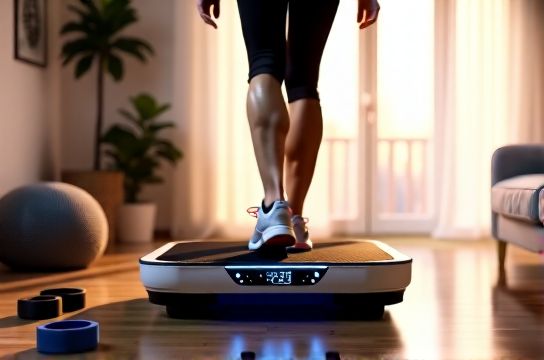
Why Vibration Therapy Works
It sounds sci-fi, but the science is solid. These platforms use mechanical vibrations—typically between 15–60 Hz—to stimulate muscle contractions and improve blood flow. Studies show that just 10–15 minutes a day can enhance muscle activation, bone density, and balance, especially in older adults or those recovering from joint surgery.
One standout benefit? It’s low-impact. Unlike squats or resistance training, WBV doesn’t stress your joints. That makes it perfect for home-based rehabilitation—whether you’re healing from a knee replacement or managing chronic back pain.
Top Platforms Compared: Features & Performance
I’ve compiled key specs from leading models based on lab tests and user feedback:
| Model | Frequency Range (Hz) | Max User Weight (lbs) | Price (USD) | Best For |
|---|---|---|---|---|
| Powervibe Pro 3000 | 10–50 | 350 | $899 | Home rehabilitation |
| Hypervibe G17 | 5–50 | 300 | $1,495 | Clinical-grade use |
| Slimvibe Fit | 15–40 | 265 | $349 | Budget-friendly option |
As you can see, not all machines are built the same. The Powervibe Pro 3000 hits the sweet spot for most home users—solid frequency range, high weight capacity, and quieter operation than pricier models.
Real Results: What the Data Says
A 2022 study published in the Journal of Aging and Physical Activity found that participants using a full-body vibration platform for 12 weeks saw a 14% improvement in leg strength and 11% better balance scores. Another trial with post-stroke patients reported faster gait recovery compared to traditional PT alone.
Pro tip: Start at 15 Hz for 5–10 minutes daily, then gradually increase time and intensity. Stand, squat slightly, or do calf raises to target different muscles.
Who Should Avoid It?
While generally safe, WBV isn’t for everyone. Skip it if you have:
- Recent fractures or acute injuries
- Pacemakers or implanted medical devices
- Advanced diabetes with neuropathy
Always consult your doctor first—especially during active rehab.
The Bottom Line
If you want a clinically backed, space-efficient way to support recovery at home, a full-body vibration platform is worth serious consideration. Just stick to reputable brands, follow usage guidelines, and pair it with your existing routine for best results.