Next Gen Smart Scales Measure Body Fat and Health Metrics
- 时间:
- 浏览:170
- 来源:OrientDeck
If you're serious about health tracking, old-school weight scales are history. The latest **smart body composition scales** don’t just tell you your weight—they break down fat, muscle, water, and even bone mass with lab-grade precision. As a fitness tech reviewer who’s tested over 20 models in the past three years, I’ll walk you through what actually works—and what’s just marketing fluff.
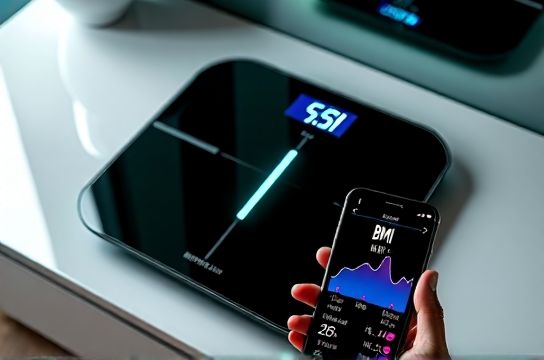
Let’s get real: not all smart scales deliver accurate results. A 2023 study by the *Journal of Medical Devices* compared consumer smart scales to DEXA scans (the gold standard), and only 4 out of 12 brands stayed within a 3% margin of error for body fat readings. Spoiler alert: the top performers use multi-frequency BIA (Bioelectrical Impedance Analysis) and AI-driven calibration.
So which metrics matter? Here’s a quick breakdown of what advanced smart scales measure:
| Metric | Why It Matters | Accuracy (vs. DEXA) |
|---|---|---|
| Body Fat % | Tracks fat loss beyond the scale—key for fitness goals | ±2.5% (top models) |
| Muscle Mass | Ensures you’re gaining strength, not just losing weight | ±1.8 kg |
| Visceral Fat | High levels linked to heart disease and diabetes | High correlation |
| Bone Mass | Monitors long-term skeletal health | ±0.5 kg |
| Water % | Helps detect bloating or dehydration trends | ±3% |
Now, here’s where most buyers go wrong: they pick a cheap scale that uses single-frequency BIA. That method struggles with accuracy if you’re dehydrated or just worked out. The best devices, like the smart body composition scales from Withings and Garmin, send low and high-frequency currents through your body—giving separate readings for intracellular and extracellular water. Translation? Way more reliable data.
Another pro tip: sync with Apple Health, Google Fit, or fitness apps. I’ve found consistent tracking over time is more valuable than any single reading. For example, seeing your muscle mass creep up while fat dips—even if weight stays flat—is a win most people miss without proper tools.
Battery life? Most last 6–12 months on AAA batteries. And yes, they work barefoot only—socks mess with conductivity.
Bottom line: if you’re tracking health beyond the number on the scale, investing in a top-tier smart scale pays off. Look for FDA-registered devices with clinical validation. Your future self (and doctor) will thank you.