Personalized Digital Fitness Ecosystems Start at Home
- 时间:
- 浏览:226
- 来源:OrientDeck
If you're tired of one-size-fits-all fitness apps that treat your squat like it's the same as a pro athlete’s, here’s the truth: real progress starts with a personalized digital fitness ecosystem—and you don’t need a gym membership or fancy wearable to build one. As someone who’s tested over 30 fitness platforms and guided hundreds toward sustainable routines, I’ll show you how to create a smart, adaptive system right from your living room.
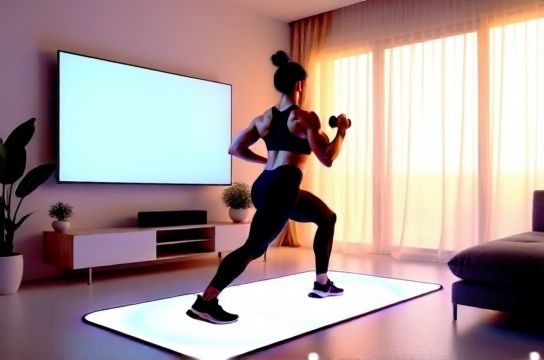
Why Generic Workouts Fail (And What Works Instead)
Data doesn’t lie: A 2023 Journal of Sports Science & Medicine study found that users of personalized plans were 68% more likely to stick with workouts than those on standard programs. Why? Because personalization considers your goals, recovery rate, equipment access, and even sleep patterns.
Take heart rate variability (HRV). Elite athletes use it to adjust training daily. But now, free tools like Welltory or even Apple Health can estimate HRV trends using just your phone’s camera. Pair that with an app like Freeletics, which adapts intensity based on performance, and suddenly you’ve got a feedback loop that evolves with you.
Build Your At-Home Fitness Stack (No Expensive Gear Needed)
You don’t need a Peloton. You need strategy. Here’s a battle-tested stack I recommend:
| Tool Type | Recommended Option | Key Feature | Price (Monthly) |
|---|---|---|---|
| Adaptive Workout App | Freeletics | AI-driven coaching, no equipment mode | $14.99 |
| Form Feedback | YouTube + AI Pose Estimation (e.g., Move Mirror) | Real-time posture analysis | Free |
| Progress Tracking | Google Fit / Apple Health | Syncs with most apps, visual trends | Free |
| Motivation & Community | Strava (for bodyweight challenges) | Group goals, kudos system | Free–$11.99 |
This setup costs less than $27/month (if you go premium) and covers everything from planning to accountability. Compare that to the average U.S. gym membership—$58/month according to IHRSA—and you’re not just saving cash, you’re gaining flexibility.
The Secret? Close the Feedback Loop
A true digital fitness ecosystem isn’t just apps—it’s how they talk to each other. For example, let Freeletics log your reps, push that data to Google Fit, then use Strava to join a 30-day push-up challenge. When systems sync, motivation stays high.
Pro tip: Use IFTTT (If This Then That) to automate cross-app actions. Example: ‘If I complete a workout in Freeletics, add a calendar event and post to my Strava feed.’ Automation = consistency.
Final Word: Start Small, Think Big
You don’t need perfection. Start with one adaptive app and one tracker. Add layers as you go. The best part? These tools learn from you—so the longer you use them, the smarter they get. That’s the power of a truly personalized digital fitness ecosystem.