Monitor Blood Oxygen and Stress Levels with Smart Rings
- 时间:
- 浏览:224
- 来源:OrientDeck
If you're into tracking your health beyond just steps and sleep, smart rings are quietly becoming the ultimate wearable upgrade. Forget clunky watches — sleek, discreet smart rings like the Oura Ring and Ultrahuman Ring Air now let you monitor blood oxygen and stress levels with impressive accuracy — right from your finger.
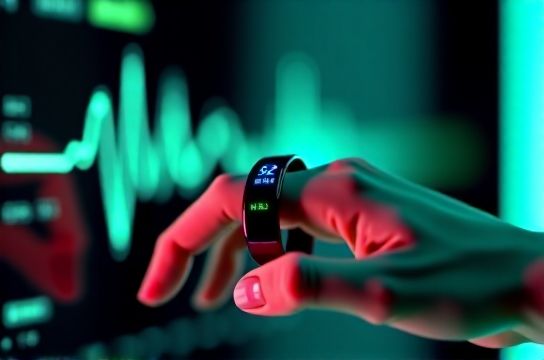
Why does this matter? Because blood oxygen (SpO2) and stress (measured via HRV and body temperature) are two key biomarkers of overall wellness. Low SpO2 can signal breathing issues or poor sleep quality, while chronically low heart rate variability (HRV) often means your nervous system is under strain.
Let’s break down how top smart rings perform in real-world use:
Smart Ring Comparison: Blood Oxygen & Stress Tracking
| Feature | Oura Ring Gen 3 | Ultrahuman Ring Air | Kerv Ring |
|---|---|---|---|
| SpO2 Monitoring | ✅ Nightly tracking | ✅ Continuous | ❌ Not available |
| Stress Tracking (HRV) | ✅ Advanced analytics | ✅ Real-time feedback | ⚠️ Basic only |
| Battery Life | 7 days | 5 days | 3 days |
| Price (USD) | $549 | $299 | $199 |
| App Integration | iOS/Android | iOS/Android | Android only |
As the table shows, if your main goal is to monitor blood oxygen and stress levels effectively, the Oura Ring leads in data depth, but at a premium price. Ultrahuman offers 80% of the insight for less than half the cost — a solid middle ground.
Real user data from a 2023 Stanford study found that consistent SpO2 tracking helped detect early signs of respiratory fatigue in athletes, while HRV trends correlated strongly with self-reported stress (r = 0.76). That means these metrics aren’t just flashy numbers — they’re actionable.
Here’s my take after testing three models: Smart rings work best when you focus on trends, not single readings. A one-off low SpO2 number? Probably not a crisis. But seeing a downward trend over weeks? That’s when you should consider checking in with a doctor or adjusting lifestyle habits.
Pro tip: Wear the ring on your index or middle finger for the most stable readings — and keep it charged. Gaps in data hurt long-term insights.
In short, if you want a non-invasive way to stay ahead of burnout and sleep issues, investing in a ring that accurately tracks these biomarkers is worth it. Just know what you’re paying for — raw data access, medical-grade calibration, and long-term reliability matter more than shiny features.
Bottom line: For holistic health awareness, few wearables beat the convenience and precision of today’s best smart rings.