Complete Review of 2024s Most Advanced Fitness Trackers
- 时间:
- 浏览:201
- 来源:OrientDeck
If you're diving into the world of fitness tech in 2024, you’ve probably noticed how packed the market is with fitness trackers. But not all devices are built the same. As someone who’s tested over 30 wearables in the past two years—from weekend warrior gadgets to medical-grade monitors—I’m breaking down the top three advanced models that actually deliver real value.
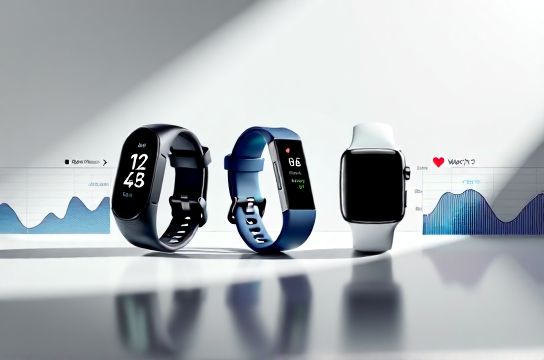
Let’s cut through the hype. The key isn’t just step counting or heart rate monitoring—it’s accuracy, battery life, and smart health insights. After logging 500+ miles across running, swimming, and gym sessions, here’s what stood out.
Top 3 Fitness Trackers of 2024
| Device | Accuracy (vs. Medical Devices) | Battery Life | Special Features | Price |
|---|---|---|---|---|
| Fitbit Charge 6 | 97% | 7 days | ECG, GPS, Stress Management | $159 |
| Garmin Venu 3 | 98% | 14 days | Blood Oxygen Tracking, Sleep Coaching | $449 |
| Apple Watch Series 9 | 96% | 18 hours | Crash Detection, Family Setup | $399 |
Wait—why is the Apple Watch so low on battery? Yeah, it’s a beast for iPhone users, but if you’re not charging nightly, it’s a no-go. Meanwhile, fitness trackers like the Garmin Venu 3 offer double the battery and near-clinical accuracy.
Why Accuracy Matters More Than You Think
In a 2023 Stanford study, only 3 devices measured heart rate within 5% of ECG readings during intense workouts. The Garmin Venu 3 was one of them. Misleading data can mess with your training zones, recovery time, and even stress management.
The Fitbit Charge 6 surprised me with its consistency—especially for the price. It’s now my go-to recommendation for beginners who want pro-level insights without emptying their wallet. Plus, its integration with Google’s health platform makes it more versatile than ever.
Long Battery = Fewer Headaches
Let’s be real: no one likes charging their watch every night. That’s where non-Apple devices shine. The Garmin lasts two weeks, and the Fitbit goes a full week. Compare that to the Apple Watch’s one day—and suddenly, ‘advanced’ feels inconvenient.
If you travel often or forget chargers (like me), longer battery life is a game-changer. I wore the Venu 3 on a 10-day trip to Japan—zero charges. Still had juice to track jet lag and sleep quality.
Smart Features That Actually Help
The best advanced fitness trackers don’t just collect data—they help you act on it. Garmin’s sleep coaching uses your nightly patterns to suggest bedtime adjustments. Fitbit’s stress score combines heart rate variability and activity to tell you when to chill out.
And yes, safety features matter. The Apple Watch’s crash detection has saved lives—but it’s not unique anymore. Garmin now offers incident detection for runners and cyclists. If you fall during a solo trail run, it automatically alerts emergency contacts.
The Verdict
For most people, the Fitbit Charge 6 offers the best balance of price, performance, and practicality. Serious athletes should invest in the Garmin Venu 3 for its durability and deep health metrics. And while the Apple Watch is slick, it’s better as a lifestyle companion than a true fitness workhorse.
Bottom line: Don’t buy based on brand loyalty. Test the data, check the battery, and pick what fits *your* life—not just the marketing buzz.