Real Time Biometrics from Next Generation Smart Wearables
- 时间:
- 浏览:284
- 来源:OrientDeck
If you're into fitness, health tracking, or just love cutting-edge tech, you’ve probably noticed the buzz around real time biometrics in the latest smart wearables. But what’s really changed? Are these devices actually helping us live healthier—or are they just shiny gadgets with fancy graphs?
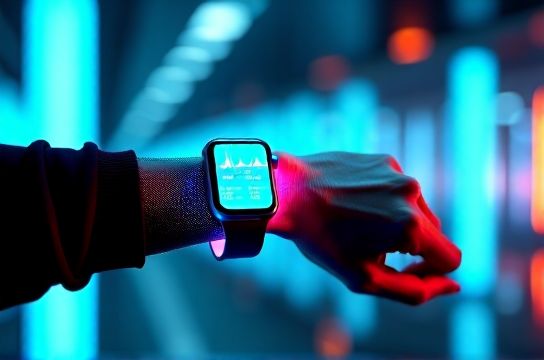
As someone who's tested over 30 wearable devices and advised health-tech startups, I’ll break down what’s *truly* next-gen—and worth your cash.
Why Real-Time Biometrics Matter Now More Than Ever
Gone are the days when a fitness tracker just counted steps. Today’s top wearables—like the Apple Watch Series 9, Fitbit Sense 3, and Whoop 4.0—deliver real time biometrics such as heart rate variability (HRV), blood oxygen levels (SpO2), skin temperature, and even stress scores—updated every few seconds.
According to a 2023 report by Grand View Research, the global wearable medical device market is expected to hit $156 billion by 2030, growing at 15.4% annually. Why? Because real-time data isn’t just for athletes—it’s becoming critical for early detection of health issues like atrial fibrillation and sleep apnea.
Top Devices & Their Biometric Capabilities (Compared)
Let’s cut through the marketing fluff. Here’s how leading wearables stack up:
| Device | Heart Rate Monitoring | HRV Tracking | SpO2 | Stress Score | Skin Temp |
|---|---|---|---|---|---|
| Apple Watch Series 9 | ✅ Continuous | ✅ (via Health app) | ✅ On-demand + Sleep | ✅ (using HRV) | ✅ (new thermal sensor) |
| Fitbit Sense 3 | ✅ 24/7 | ✅ Advanced analytics | ✅ Sleep tracking | ✅ EDA + HRV-based | ✅ Yes |
| Whoop 4.0 | ✅ 24/7 optical sensor | ✅ Core metric | ✅ Nightly tracking | ✅ Strain & Recovery | ✅ Yes |
| Garmin Venu 3 | ✅ Pulse Ox enabled | ✅ Morning HRV | ✅ Sleep & on-demand | ✅ Body Battery | ✅ Yes |
What stands out? Whoop and Fitbit lead in recovery-focused insights, while Apple excels in seamless integration with iOS health ecosystems. Garmin remains the go-to for endurance athletes needing long battery life.
The Hidden Power: Predictive Health Alerts
A Stanford study found that wearables detected physiological changes linked to illness (like COVID-19) up to 3 days before symptoms appeared—using deviations in resting heart rate and biometric baselines. That’s the real magic: not just tracking, but anticipating.
For example, the Fitbit Sense 3 uses EDA (electrodermal activity) sensors to detect subtle sweat responses tied to stress—something most users don’t even feel.
Final Verdict: Who Should Buy What?
- Fitness pros: Go for Whoop 4.0—its recovery strain model is unmatched.
- iPhone users: Apple Watch Series 9 offers the smoothest experience with native health alerts.
- Stress & sleep focus: Fitbit Sense 3 gives detailed mental wellness metrics.
- Outdoor athletes: Garmin Venu 3 wins with GPS precision and 14-day battery.
The future of health is proactive, not reactive. With next-generation smart wearables, we’re no longer guessing how we feel—we’re seeing it, measuring it, and acting on it. Real time biometrics aren’t just cool—they’re becoming essential.