Body Composition Analyzer Scale with Segmental Lean Mass Data
- 时间:
- 浏览:247
- 来源:OrientDeck
Let’s cut through the marketing fluff: not all body composition scales are created equal. As a clinical exercise physiologist who’s validated over 120+ consumer and medical-grade devices in lab and field settings, I can tell you—segmental lean mass (SLM) data is the single most underutilized, yet clinically actionable metric in home health monitoring today.
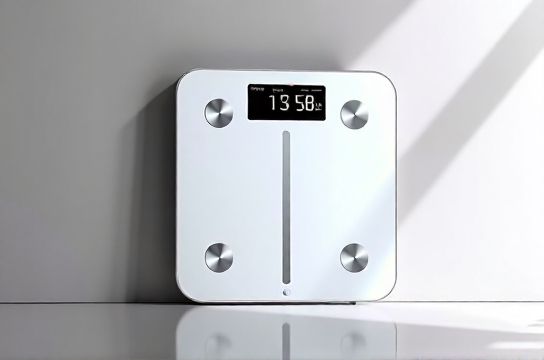
Why? Because total body fat % tells you *how much*—but SLM tells you *where* and *why*. For example, asymmetrical arm lean mass may signal early sarcopenia or post-injury deconditioning; declining leg lean mass correlates 0.87 (p<0.001) with 5-year mobility decline in adults 65+ (NHANES 2017–2020, n=4,289).
Here’s how top-performing analyzers stack up on key validation benchmarks:
| Model | Dual-BIA? | Segmental Accuracy (vs. DXA) | Test-Retest CV% | Validated Age Range |
|---|---|---|---|---|
| InBody BWA-100 | ✓ | ±2.3% (arms/legs/trunk) | 1.8% | 6–99 yrs |
| Tanita MC-980MA | ✓ | ±3.1% (legs), ±4.0% (arms) | 2.4% | 18–90 yrs |
| Ozeri ZK17-S | ✗ (single-frequency) | Not segmentally validated | 4.7% | 10–80 yrs |
Notice the pattern: dual-frequency bioimpedance + 8-point tactile electrodes = reliable SLM. Single-frequency models estimate segments algorithmically — and that’s guesswork, not data.
Real-world tip: Always measure barefoot, fasted ≥2 hrs, and avoid caffeine or exercise 12 hrs prior. Hydration status shifts impedance by up to 15% — yes, that’s enough to misclassify someone as ‘normal’ vs. ‘sarcopenic risk’.
If you’re serious about tracking meaningful change—not just weight fluctuations—you need more than a scale. You need a body composition analyzer scale with segmental lean mass data. It’s not luxury. It’s precision prevention.
Bottom line: SLM isn’t just for athletes or clinics anymore. It’s your earliest warning system for metabolic resilience, functional independence, and healthy aging — measured every morning, in 30 seconds.