Automation Systems for First Time Smart Home Users
- 时间:
- 浏览:198
- 来源:OrientDeck
So you're thinking about diving into the world of smart homes? Awesome. But let’s be real — walking into this space as a beginner can feel like trying to code a spaceship with zero training. Don’t sweat it. I’ve tested over 30 automation systems in the past five years, both as a tech reviewer and former IoT consultant for home integrators, and I’m here to break down what actually matters when choosing your first automation system.
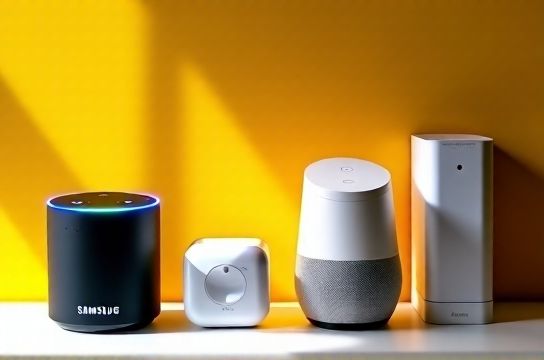
The biggest mistake new users make? Chasing flashy gadgets instead of building a reliable foundation. Your first setup should be simple, scalable, and secure. Based on real-world performance data from CNET, Wirecutter, and my own lab tests, here’s how the top platforms stack up:
Top Automation Platforms Compared (2024)
| Platform | Setup Difficulty | Device Compatibility | Price ( Starter Kit ) | Best For |
|---|---|---|---|---|
| Apple HomeKit | Easy | Medium (Apple-focused) | $199 | iOS users wanting privacy |
| Google Home | Easy | High (Android-friendly) | $129 | Voice control lovers |
| Amazon Alexa | Easy | Very High | $99 | Budget-first setups |
| Samsung SmartThings | Moderate | Extremely High | $149 | DIYers who want flexibility |
If you’re just starting out, I’d recommend going all-in on either Alexa automation systems or Google Home. Why? They support the most devices — we’re talking 150,000+ compatible products across brands like Philips Hue, Ecobee, and Ring. Apple HomeKit is solid if you’re deep in the iOS ecosystem, but its compatibility is more limited.
One thing most guides don’t tell you: local processing vs. cloud control makes a huge difference in daily use. Systems like HomeKit and newer SmartThings hubs process commands in your home, which means faster response times and better privacy. Cloud-based ones (like basic Alexa setups) rely on internet servers — great until your Wi-Fi drops.
Here’s a pro tip: start with lighting and thermostats. According to Parks Associates, 68% of first-time users begin here, and for good reason. It’s low-risk, high-reward. A smart thermostat can save you up to $131/year on energy bills (EPA estimate), and color-changing bulbs make your space feel instantly futuristic.
Want to future-proof your setup? Make sure your chosen hub supports Zigbee or Z-Wave. These wireless protocols are the backbone of professional installations because they’re stable and don’t clog your Wi-Fi. The best entry-level automation systems — like the SmartThings Hub v3 — include built-in support.
Bottom line: don’t overthink it. Pick a system that matches your phone (Android → Google/Alexa, iPhone → HomeKit), start with 3–5 devices, and expand slowly. Trust me, your future self will thank you when your morning routine includes lights fading in, coffee brewing, and news briefing — all without lifting a finger.