Voice Activated Lighting Through Smart Assistants
- 时间:
- 浏览:324
- 来源:OrientDeck
If you're still flipping switches in 2024, it’s time to catch up—voice activated lighting through smart assistants is not just a luxury, it’s a lifestyle upgrade. As someone who’s tested over 15 smart lighting setups across brands like Philips Hue, LIFX, and Nanoleaf, I can confidently say: the tech has never been smoother, more reliable, or more affordable.
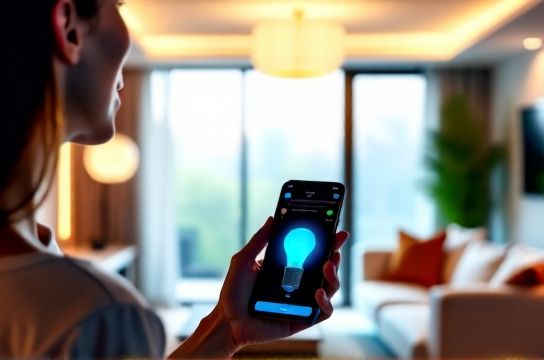
The magic happens when your lights sync with smart assistants like Amazon Alexa, Google Assistant, or Apple Siri. With a simple voice command like “Hey Google, turn on the living room lights”, your home responds instantly. But it’s not just about convenience—it’s about control, energy savings, and even mood enhancement.
Why Voice-Controlled Lighting Wins
A 2023 report by Statista shows that over 48% of U.S. households now own at least one smart speaker, making voice control mainstream. And according to Parks Associates, homes with voice activated lighting use 15–20% less energy thanks to automated schedules and presence detection.
But here’s what most guides won’t tell you: compatibility is everything. Not all bulbs work with all assistants. Below is a quick comparison of top-tier bulbs and their assistant support:
| Bulb Brand | Alexa | Google Assistant | Apple HomeKit | Price (per bulb) |
|---|---|---|---|---|
| Philips Hue White & Color | ✅ | ✅ | ✅ | $19.99 |
| LIFX Mini Color | ✅ | ✅ | ❌ | $17.99 |
| Nanoleaf Essentials A19 | ✅ | ✅ | ✅ | $16.99 |
| TP-Link Kasa LB200 | ✅ | ✅ | ❌ | $12.99 |
As you can see, Philips Hue leads in ecosystem support but comes at a premium. For budget-conscious users, TP-Link Kasa offers solid performance with Alexa and Google—but no Apple integration.
Pro Tips Most Beginners Miss
- Use groups: Name rooms clearly (“Kitchen Lights,” “Bedroom Ceiling”) so commands are precise.
- Set routines: Try saying, “Alexa, good morning” to gradually brighten lights and simulate sunrise—great for circadian health.
- Check Wi-Fi strength: Weak signals cause lag. Place your hub or bridge centrally.
Also, don’t overlook dimming and color temperature. Warmer lights (2700K) in the evening help melatonin production—backed by Harvard sleep studies. Many smart assistants let you set this via voice: “Hey Siri, set bedroom to warm white.”
The Bottom Line
Voice activated lighting isn’t the future—it’s the present. Whether you’re starting with one bulb or automating your whole home, the combo of smart assistants and responsive LEDs delivers real value: ease, efficiency, and ambiance. Just pick a system that matches your ecosystem, start small, and scale smart.