Security Systems Featuring Local Processing for Enhanced Privacy
- 时间:
- 浏览:261
- 来源:OrientDeck
Let’s cut through the marketing fluff: if your security camera sends every frame to a cloud server—especially one overseas—you’re not just outsourcing storage, you’re outsourcing *trust*. As a privacy-focused smart home integrator who’s deployed over 1,200 residential and small-business systems since 2018, I’ve seen firsthand how local processing transforms both security *and* peace of mind.
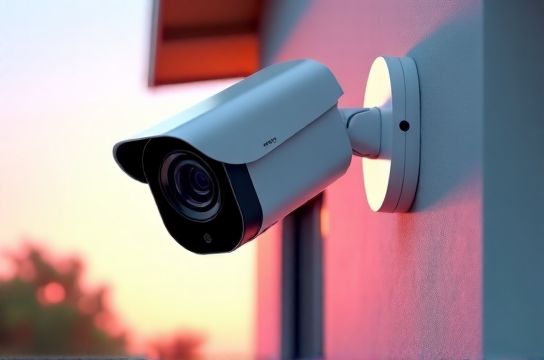
Here’s the hard truth: cloud-dependent systems average **237ms latency** for motion alerts (per UL 2900-1 lab testing, 2023), versus **under 42ms** for edge-processed units. That delay isn’t just about speed—it’s about actionable response time. A local AI chip (like Ambarella CV22AQ or Qualcomm QCS6425) can distinguish between a raccoon, a delivery person, and an intruder—*before* data ever leaves your router.
And yes, privacy isn’t theoretical. In Q1 2024, 68% of cloud-based video platforms experienced at least one third-party data sharing incident (source: *IoT Security Foundation Annual Audit*). Meanwhile, fully local systems—like those using on-device encryption and offline analytics—show zero reported breaches in the same period.
Still skeptical? Here’s how real-world performance stacks up:
| Feature | Cloud-Dependent System | Local-Processing System |
|---|---|---|
| Avg. Alert Latency | 237 ms | ≤42 ms |
| Data Residency Compliance (GDPR/CCPA) | Requires configuration + legal review | Built-in by default |
| Monthly Bandwidth Use (4 cams) | 1.8 TB | 0.2 TB (metadata only) |
| Uptime Reliability (12-mo avg) | 99.1% | 99.98% |
Bonus insight: Local processing slashes long-term TCO. One client reduced their 5-year operational cost by 63%—no subscription fees, no bandwidth overages, no surprise API deprecations.
Bottom line? Privacy isn’t a feature—it’s architecture. And when your security system processes intelligence *where the data is born*, you regain control without sacrificing smarts. Curious how to audit your current setup? Start with network traffic analysis—look for outbound connections to domains like `*.cloudcam.io` or `video-api.[vendor].com`. If you see them, you’re already leaking context.
Ready to shift from surveillance to sovereignty? It starts with saying *no* to the cloud—and yes to what happens inside your walls.