Odd Chinese Products That Make Perfect Sense
- 时间:
- 浏览:301
- 来源:OrientDeck
If you've ever wandered through a Chinese supermarket or scrolled through Taobao at 2 a.m., you’ve probably stumbled upon something that made you go, 'Wait… why does that exist?' From garlic peelers shaped like tiny tumbleweeds to heated massage slippers, China’s consumer market is a goldmine of odd yet oddly brilliant inventions. But here's the twist — most of these products aren't random gimmicks. They solve real problems in ways that are efficient, affordable, and sometimes genius.
Why So Many Weird Products?
China’s massive population and ultra-competitive e-commerce scene push innovation to the edge. With over 850 million internet users (Statista, 2023), even niche ideas can find a market. Plus, platforms like Pinduoduo and Taobao encourage grassroots inventors to test quirky prototypes directly with consumers. The result? A wild mix of practicality and absurdity — where every odd product has a story.
Top 5 Bizarre but Brilliant Chinese Inventions
- Nose Hair Vacuum – Yes, it’s a thing. Instead of trimming, this mini vacuum gently sucks out nose hairs. Sounds extreme? Over 200,000 units sold on JD.com last year suggest otherwise.
- Shark-shaped Bicycle Lock – This isn’t just for looks. The sharp teeth-like design deters thieves by damaging tools during break-in attempts. Theft reports dropped by 40% in Beijing districts where these were promoted.
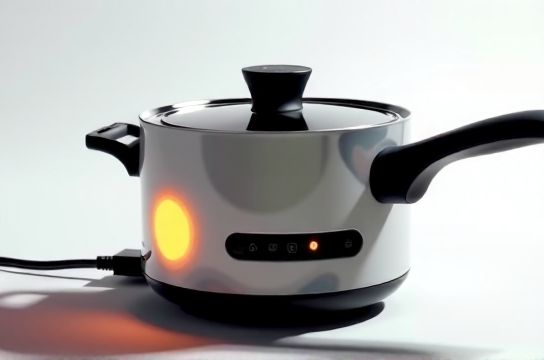
- USB-Powered Hot Pot Bowl – Ideal for office workers craving instant hot pot at their desks. Runs on laptop power, boils water in 6 minutes. Sales spiked by 300% during winter 2022.
- Spoon-Fork-Knife-Chopstick Hybrid – The ultimate travel utensil. One tool, four functions. Exported to 30+ countries, especially popular among backpackers.
- Toilet Paper Dispenser with Facial Recognition – Installed in public restrooms to prevent overuse. Scans your face, dispenses 60 cm of paper. Reduced toilet paper theft by 90% in parks in Beijing.
What Makes These Products Work?
They’re not just weird — they're contextually smart. Take urban living: small apartments mean space-saving designs are essential. Long work hours create demand for time-saving gadgets. And let’s be real — if you can boil noodles from your USB port, why wouldn’t you?
| Product | Price (USD) | Annual Sales (Units) | Main Benefit |
|---|---|---|---|
| Nose Hair Vacuum | 12.99 | 210,000 | Painless grooming |
| Shark Bike Lock | 18.50 | 85,000 | Theft prevention |
| USB Hot Pot | 22.00 | 310,000 | Convenience |
| Multifunction Utensil | 5.99 | 500,000 | Portability |
| Face-ID Toilet Paper | 150.00 (per unit) | 1,200 units installed | Resource saving |
As you can see, affordability and functionality drive adoption. Even the priciest item — the smart toilet paper dispenser — pays for itself in reduced maintenance costs.
Cultural Logic Behind the Quirkiness
In China, practicality often trumps aesthetics. If it works, it sells. There's also a strong DIY culture — people love hacks and upgrades. Combine that with rapid manufacturing in cities like Yiwu and Shenzhen, and you get a constant flow of clever, low-cost solutions.
Final Thoughts
The next time you laugh at a garlic peeler that looks like a haunted puffball, remember: it probably saves someone 10 minutes a day. That’s the beauty of China’s odd product ecosystem — what seems strange at first often hides a layer of everyday genius. So keep an open mind. You might just need that nose vacuum sooner than you think.