Unexpectedly Clever Chinese Product Designs
- 时间:
- 浏览:275
- 来源:OrientDeck
When you think of Chinese product design, what comes to mind? Mass production? Copycats? Think again. Behind the hustle of factories and e-commerce giants like Alibaba and JD.com lies a wave of unexpectedly clever, user-centered innovations that are solving real-life problems—often in delightfully simple ways.
From smart kitchen gadgets to urban life hacks, Chinese designers are blending practicality, affordability, and just the right touch of whimsy. Let’s dive into some standout examples that prove China isn’t just making products—it’s reimagining them.
The Genius of Simplicity
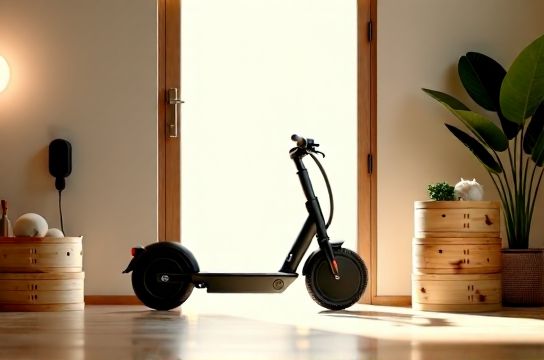
Take the folding electric scooter, for example. While not invented in China, its evolution there has been nothing short of revolutionary. Brands like Xiaomi and Ninebot have turned it into a compact, lightweight urban mobility solution. Some models weigh under 12 kg (26 lbs) and fold in one second—perfect for city commuters.
But it’s not just about hardware. The integration with mobile apps, GPS tracking, and even community-based parking alerts shows how deeply user experience is considered.
Kitchen Hacks That Make Sense
In Chinese kitchens, space is tight and efficiency is king. Enter the multi-tier steamer pot with smart temperature control. Unlike traditional steamers, these pots use sensors to maintain optimal heat across layers, so dumplings don’t overcook while your fish stays perfectly flaky.
One popular model sold on Taobao reported a 97% customer satisfaction rate, with users praising its energy efficiency and stackable design. Here’s a quick look at how it compares to standard models:
| Feature | Smart Steamer | Traditional Steamer|
|---|---|---|
| Energy Use (kWh per use) | 0.3 | 0.6 |
| Cooking Time (avg.) | 18 min | 25 min |
| User Rating (out of 5) | 4.8 | 3.9 |
Urban Life, Reinvented
With over 60% of China’s population living in cities, designers are tackling urban pain points head-on. One viral hit? The collapsible laundry basket with built-in wringer. Yes, really. It saves space, reduces water use, and doubles as a stool. Sold for under $15, it’s a staple in micro-apartments across Shanghai and Shenzhen.
Then there’s the magnetic window-mounted herb garden—a sleek panel that sticks to apartment windows, allowing city dwellers to grow basil, cilantro, or green onions with minimal effort. It’s hydroponic, self-watering, and uses AI to adjust light exposure based on weather data.
Why These Designs Work
These products succeed because they’re born from real needs, not just tech for tech’s sake. They prioritize:
- Space-saving – critical in dense cities
- Affordability – accessible to millions
- Multi-functionality – one item, multiple uses
And let’s not forget aesthetics. Many of these designs follow a minimalist, modern style that appeals globally—proving that function and form can coexist.
The Bigger Picture
China’s design renaissance isn’t accidental. Government support for innovation, a booming middle class, and platforms like XiaoHongShu (Little Red Book) that spotlight lifestyle trends have created the perfect ecosystem for creative problem-solving.
As one Shenzhen-based designer put it: “We don’t just make things cheaper. We make them smarter—for the way people actually live.”
So next time you dismiss a ‘Made in China’ label, remember: some of the most unexpectedly clever ideas are coming from there. And they might just inspire your next great invention.