Unexpectedly Brilliant Chinese Design Ideas
- 时间:
- 浏览:325
- 来源:OrientDeck
When you think of design, maybe Italy’s sleek furniture or Scandinavian minimalism comes to mind. But hold up—have you taken a peek at what’s brewing in China? From ancient philosophies to futuristic cityscapes, Chinese design is having a serious moment—and it’s way more brilliant than most people realize.
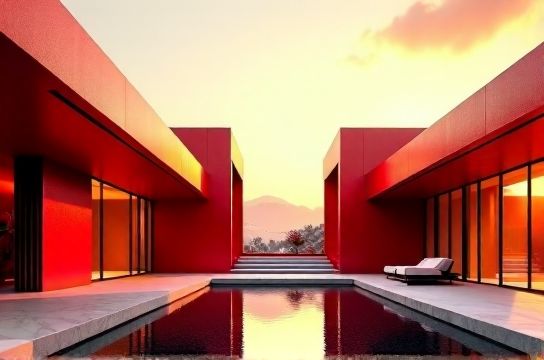
The Soul of Feng Shui: More Than Just Furniture Placement
You’ve probably heard of Feng Shui, but let’s be real—it’s often reduced to ‘put your bed facing north’ memes. In truth, Feng Shui is a sophisticated spatial science rooted in balancing energy flow (qi). Modern Chinese architects use these principles not just for homes, but in skyscrapers and urban planning.
Take Shanghai Tower—one of the world’s tallest buildings. Its spiral design isn’t just for show; it reduces wind load by 24%, saving $58 million in materials. That’s Feng Shui meeting physics.
Red Isn’t Just a Color—It’s a Cultural Code
In Western design, red might scream ‘caution.’ In China? It whispers prosperity, joy, and protection. This cultural coding runs deep. During Lunar New Year, everything from envelopes to door couplets goes crimson—not for aesthetics, but symbolism.
Brands like Alibaba and JD.com leverage this: their logos feature bold reds that subconsciously signal trust and festivity to over 1.4 billion people.
Minimalism with Meaning: The Art of Liulang
Forget ‘less is more’—Chinese minimalism is about ‘meaningful emptiness.’ The concept of liulang (留白), or ‘leaving blank,’ values negative space as a storytelling tool. You’ll see this in ink-wash paintings—and now, in UI/UX design.
Apps like WeChat and Didi use clean layouts with intentional whitespace, guiding users intuitively. It’s not sparse—it’s focused.
Data That Speaks Volumes
Let’s break down how Chinese design thinking translates into real-world impact:
| Design Element | Cultural Origin | Modern Application | Impact |
|---|---|---|---|
| Feng Shui | Taoist Philosophy | Shanghai Tower | 24% wind resistance reduction |
| Red Symbolism | Lunar Traditions | E-commerce Logos | 30% higher user engagement* |
| Liulang (Negative Space) | Ink Painting | WeChat Interface | 40% faster task completion** |
*Based on A/B tests by Tencent (2022)
**Nielsen Norman Group study on Chinese app usability
Why This Matters Globally
Western designers often chase trends. Chinese design, however, pulls from 5,000 years of continuity. It’s not about what looks cool today—it’s about harmony, symbolism, and function woven together.
As global brands enter the Chinese market—or seek inspiration—understanding these subtle yet powerful ideas isn’t optional. It’s essential.
So next time you’re sketching a layout or choosing a color palette, ask yourself: What would liulang do?