Bizarre Yet Practical Asian Tech Innovations
- 时间:
- 浏览:292
- 来源:OrientDeck
When it comes to tech innovation, Asia doesn’t just think outside the box — sometimes, it burns the box and builds a robot to replace it. From AI-powered toilets in Japan to drone-wielding noodle servers in China, the region is a playground of bizarre yet surprisingly practical inventions. These aren’t just gimmicks; many have real-world applications that are reshaping daily life. Let’s dive into some of the weirdest, most functional tech coming out of Asia — where high-tech meets high humor.
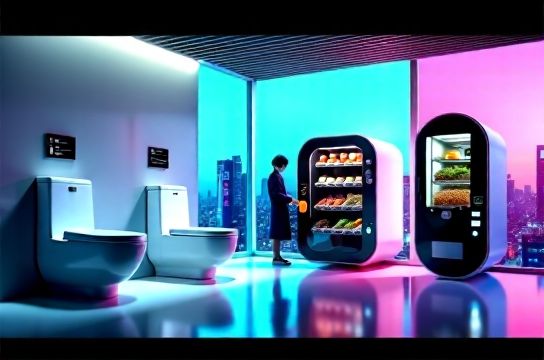
The Toilet That Talks Back (Yes, Really)
In Japan, your bathroom experience might include a heated seat, automatic lid, and even mood lighting. But Toto’s Washlet series goes further: some models now come with built-in health monitors. These smart toilets analyze urine and stool samples, track weight, and sync data to your smartphone. According to a 2023 report by Statista, over 80% of Japanese households own a high-tech toilet. It sounds extreme, but with rising healthcare costs, early detection via your commode? Priceless.
Robo-Noodles: When Ramen Meets Robotics
In Shanghai, a restaurant called Uncle Wei employs robotic arms to toss, stretch, and serve handmade noodles. The bots work at lightning speed — up to 120 bowls per hour — reducing labor costs and ensuring consistency. And no, they don’t get tired or demand overtime. A recent trial showed a 40% increase in customer throughput after automation. Call it the rise of the machines — delicious, carb-loaded machines.
Facial Recognition Vending Machines (Age Matters for Snacks)
Japan’s answer to underage soda binges? Vending machines that use facial recognition to estimate your age. If you look under 20, it won’t sell you an energy drink. Tested across 10,000 machines, the system boasts 90% accuracy. While privacy concerns exist, the tech has reduced illegal sales by 65%. Innovation with responsibility — who knew a soda machine could be so principled?
Sleep Pods in Office Desks? Thank South Korea
South Koreans work some of the longest hours globally — averaging 1,900 hours/year (OECD, 2023). Enter: the Office Nap Pod. Companies like Samsung and Kakao have installed fold-out sleeping compartments in workstations. One study found nap-enabled employees reported a 30% boost in afternoon productivity. It’s not laziness; it’s strategic recharging.
Smart Masks That Translate Your Speech
After the pandemic, Japanese startup Donut Robotics created the C-Mask — a transparent, Bluetooth-enabled face covering that amplifies voice and translates speech into eight languages in real time. Priced at $40, it sold out within days. With tourism rebounding, this gadget is bridging language gaps one filtered syllable at a time.
Quick Comparison: Asian Tech Quirks vs. Global Impact
| Innovation | Country | Key Feature | Adoption Rate |
|---|---|---|---|
| Smart Toilets | Japan | Health monitoring | 80%+ households |
| Robotic Noodle Makers | China | High-speed food prep | 500+ restaurants |
| Age-Verification Vending | Japan | Facial recognition | 10,000 units deployed |
| Office Sleep Pods | South Korea | Ergonomic rest spaces | Top 100 firms adopting |
| Translation Masks | Japan | Real-time language conversion | Global niche market |
Asia’s tech scene thrives on solving problems we didn’t know we had — often with flair, efficiency, and a touch of madness. These innovations may seem odd at first glance, but their practical benefits are crystal clear. Whether it’s boosting health, productivity, or snack safety, the future isn’t just high-tech — it’s hilariously human.