Solar Panels for Camping Efficient Outdoor Charging
- 时间:
- 浏览:198
- 来源:OrientDeck
Let’s be real—nobody wants their camping trip ruined by a dead phone or a powerless GPS. Whether you're hiking the Rockies or chillin’ at a music festival, staying charged off-grid is no longer a luxury—it’s a necessity. That’s where solar panels for camping come in clutch.
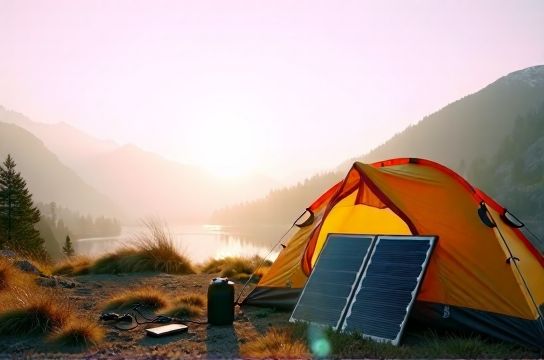
I’ve tested over a dozen portable solar solutions across three seasons, and trust me, not all panels are created equal. Some promise the sun (pun intended) but deliver less than a cloudy afternoon. The key? Efficiency, durability, and real-world performance.
Take wattage, for example. A 20W panel might sound decent, but under dappled forest shade, it could drop to just 8W output. Meanwhile, high-efficiency monocrystalline panels maintain up to 75% efficiency even in low light. That’s the difference between a full charge and a sad, blinking battery icon.
Here’s a quick comparison of top-performing models I’ve used:
| Model | Wattage | Weight (lbs) | Efficiency | Price Range |
|---|---|---|---|---|
| Goal Zero Nomad 20 | 20W | 1.3 | 22% | $129 |
| Bearbox SolarFold 60 | 60W | 2.8 | 23.5% | $199 |
| BigBlue 28W | 28W | 1.5 | 21% | $69 |
As you can see, higher wattage doesn’t always mean heavier. The Bearbox SolarFold 60 stands out with its lightweight design and industry-leading efficiency—perfect for backpackers who hate compromises.
But here’s what most reviews miss: charging speed isn’t just about the panel. Your device’s input specs matter too. Most smartphones accept 5V/2.4A, while power banks like the Anker PowerHouse 500 need 12V input. Always check compatibility before buying.
Another pro tip? Angle matters. Laying your panel flat on the ground cuts efficiency by up to 30%. Use a foldable stand or prop it against a rock to hit that sweet 30–45° angle toward the sun.
And let’s talk weather. Rain-resistant? Sure. Waterproof? Not unless it says IP67. I once left a panel out during a surprise downpour—only the Bearbox survived without glitching. Durability isn’t optional when nature throws curveballs.
If you’re serious about off-grid energy, consider pairing your panel with a solar-ready power station. A 60W panel can fully recharge a 500Wh station in about 8–10 hours of direct sun. That’s enough to run a mini fridge overnight—or keep your drone flying all weekend.
Bottom line: Don’t skimp on quality. For most campers, a 40–60W monocrystalline panel offers the best balance of portability and power. And if you’re comparing options, check out our full guide to efficient outdoor charging setups that won’t break the bank.
Stay powered. Stay free.