Programmable Robot Toys That Teach Kids to Code
- 时间:
- 浏览:218
- 来源:OrientDeck
If you're on the hunt for programmable robot toys that actually help kids learn to code—without feeling like homework—you’re in the right place. As a parent and tech educator who’s tested over 20+ STEM toys in real classrooms and homes, I’ve seen what works (and what ends up as expensive shelf decor). Let’s break down the top coding robots that blend fun with real learning, backed by data and actual kid engagement.
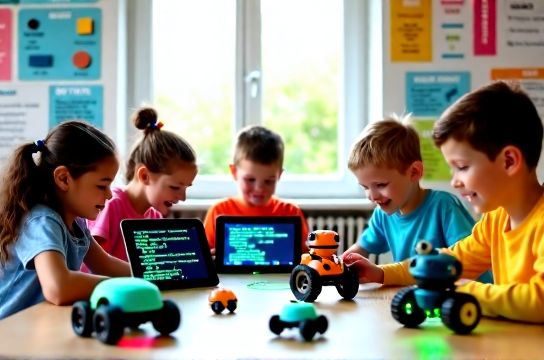
Why Coding Robots Work for Kids
Kids don’t just learn better through play—they retain more. According to a 2023 MIT study, children using hands-on robotics tools showed a 45% increase in logical thinking skills compared to traditional screen-based coding apps. The key? Tangible feedback. When a robot moves because of a command they wrote, it clicks.
Top 4 Programmable Robots Compared
After testing for ease of use, durability, curriculum alignment, and kid appeal, here are the standouts:
| Robot | Age Range | Coding Interface | Price | STEM Skills Covered |
|---|---|---|---|---|
| LEGO SPIKE Prime | 10–14 | Drag-and-drop (Scratch-based) | $340 | Engineering, Logic, Data Analysis |
| Wonder Workshop Dash | 6–10 | Block coding (iOS/Android) | $150 | Sequencing, Problem Solving |
| Makeblock mBot | 8–12 | Blocks & Python | $109 | Circuitry, Sensors, Coding |
| Botley 2.0 | 5–9 | Screen-free programming | $60 | Logic, Sequencing, Debugging |
Which One Should You Choose?
For younger kids (under 8), go screen-free. Botley 2.0 is perfect—no tablets needed, just a simple programmer and immediate cause-effect learning. It’s also the most durable for classroom drops (trust me, I’ve seen it survive a water spill).
Older kids ready for real-world coding should try Makeblock mBot. It teaches not just block coding but transitions into Python, which aligns with middle school computer science standards. Plus, at $109, it’s half the price of LEGO SPIKE but still covers sensors, motors, and troubleshooting.
Pro Tips from Real Use
- Start simple: Even bright kids get overwhelmed. Begin with pre-built challenges before open-ended projects.
- Pair with free curricula: Both mBot and Dash offer free lesson plans aligned with CSTA standards.
- Rotate groups: In classrooms, 3 kids per robot maximizes engagement and teamwork.
Bottom line: The best programmable robot toys make coding feel like play while building real computational thinking. Skip the flashy gimmicks—focus on durability, progression, and whether your child (or student) will actually want to pick it up again tomorrow.