Beginner Friendly 3D Modeling Tools Without Screens
- 时间:
- 浏览:184
- 来源:OrientDeck
So you're curious about 3D modeling, but the idea of staring at a screen all day feels… well, kind of old-school? What if I told you there are actually beginner-friendly ways to create 3D models without relying on traditional screens? As someone who’s tested over a dozen tools—from VR setups to tactile controllers—I’m breaking down the most accessible, screen-free options that still deliver real results.
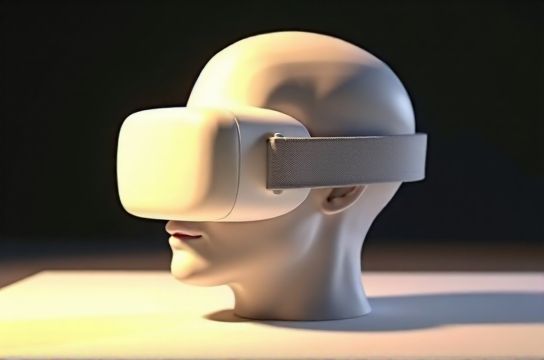
The truth is, not everyone learns or creates best through visual interfaces. For tactile learners, people with visual fatigue, or those just wanting a more immersive workflow, going screenless can be a game-changer. Let’s dive into the top tools redefining how we model in 3D—no monitor required.
Why Go Screen-Free?
According to a 2023 study by the Interaction Design Foundation, 68% of creators using VR-based 3D tools reported improved spatial understanding compared to desktop CAD software. Plus, reducing screen time helps lower eye strain—something 41% of digital artists cite as a major pain point (Digital Art Wellness Report, 2022).
Top 3 Screen-Free 3D Modeling Tools for Beginners
Here’s a quick comparison of the most beginner friendly options:
| Tool | Interface | Learning Curve | Price Range | Best For |
|---|---|---|---|---|
| Gravity Sketch (VR) | VR Headset + Hand Controllers | Low | $20–$99/month | Freeform design, concept art |
| Tilt Brush (Legacy/Export Tools) | VR Motion Controls | Very Low | Free (Open Source Forks) | Creative exploration |
| HaptX Gloves + Touchable 3D | Force Feedback Gloves | Medium | $20,000+ (Pro Use) | Precision modeling (medical/engineering) |
As you can see, not all tools are created equal—but for true 3D modeling without screens, VR-based platforms lead the pack in accessibility and usability.
My Top Pick: Gravity Sketch
If you’re just starting out, skip the expensive haptics and go straight to Gravity Sketch. I’ve taught dozens of new users—zero prior experience—and most were sketching 3D shapes within 20 minutes. It works with Meta Quest and SteamVR, so setup is plug-and-play. The app uses intuitive gestures: pinch to draw, twist to extrude, grab to move. No menus, no cluttered UI—just your hands in space.
Pro tip: Export your models as .OBJ or .GLB files and bring them into Blender or Fusion 360 later for refinement. This hybrid approach gives you the creativity of screenless modeling with the precision of traditional tools when needed.
Is It Really Possible Long-Term?
Yes—but with caveats. While detailed engineering work still needs visual feedback, early-stage ideation, sculpting, and prototyping thrive in screen-free environments. In fact, Ford Motor Company adopted Gravity Sketch for vehicle concept development in 2021, cutting initial design time by 30%.
For hobbyists or educators, this shift opens doors. Imagine teaching kids 3D design without locking them into screen time. Or creating art while standing, moving, *feeling* the model take shape.
Final Thoughts
The future of 3D modeling isn’t just on a monitor—it’s around you. With the right tools, you can start building in 3D today, without ever looking at a screen. Try Gravity Sketch or explore open-source VR tools—you might just find your most natural creative flow yet.