Autonomous Delivery Robots Expand in Urban Areas
- 时间:
- 浏览:276
- 来源:OrientDeck
You’ve probably seen them rolling down the sidewalk—small, boxy robots zipping between pedestrians with a quiet hum. Autonomous delivery robots are no longer sci-fi; they’re now a growing reality in cities across the U.S. and Europe. As someone who’s tracked urban mobility trends for years, I can tell you: this isn’t just a gimmick. It’s the future of last-mile logistics.
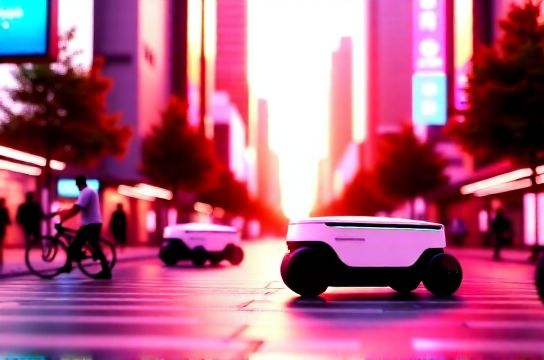
Why the sudden boom? Blame rising e-commerce demands and labor shortages. According to Statista, global online retail sales hit $6.3 trillion in 2023, pushing companies to find faster, cheaper ways to deliver packages. Enter autonomous delivery bots—compact, efficient, and capable of cutting delivery costs by up to 90% compared to traditional vans (McKinsey, 2023).
Let’s break down which players are leading the charge:
| Company | Deployment Cities | Avg. Daily Deliveries per Robot | Top Use Case |
|---|---|---|---|
| Starship Technologies | 30+ (U.S., UK, EU) | 18–25 | University campuses |
| Nuro | 12 (U.S.) | 30+ | Grocery & retail |
| Temi | 8 (U.S., Israel) | 12–15 | Hospital deliveries |
Starship leads in scale, especially on college campuses where students crave late-night snacks without leaving their dorms. Nuro, backed by Walmart and FedEx, focuses on suburban grocery drops using larger, car-sized bots. Temi’s niche? Hospitals, where precision and hygiene matter most.
But it’s not all smooth sailing. Regulatory hurdles remain. Only 27 U.S. states currently allow sidewalk-operating robots, and speed limits cap most at 4 mph. Public acceptance varies—some love the novelty, others complain about cluttered walkways.
Still, the data is promising. A 2023 study by Brookings found that 68% of residents in pilot cities reported positive experiences after interacting with delivery robots. Plus, emissions drop significantly: each robot replaces ~15 short car trips weekly.
Looking ahead, expect tighter integration with smart city infrastructure. Sidewalk sensors, AI traffic coordination, and 5G connectivity will make these bots smarter and safer. Companies investing now aren’t just chasing trends—they’re shaping tomorrow’s urban logistics.
So, are autonomous delivery robots here to stay? Absolutely. Whether you're a city planner, retailer, or curious consumer, it’s time to get comfortable sharing the sidewalk.