Self Driving Cars and the Future of Intelligent Transportation
- 时间:
- 浏览:207
- 来源:OrientDeck
Let’s be real — self driving cars aren’t just sci-fi anymore. If you’ve been paying attention to tech or transportation trends, you already know we’re on the brink of a major shift. As someone who’s tested dozens of smart mobility solutions and advised urban planners on intelligent transport systems, I can tell you: autonomous vehicles (AVs) are reshaping how we move — and faster than most expect.
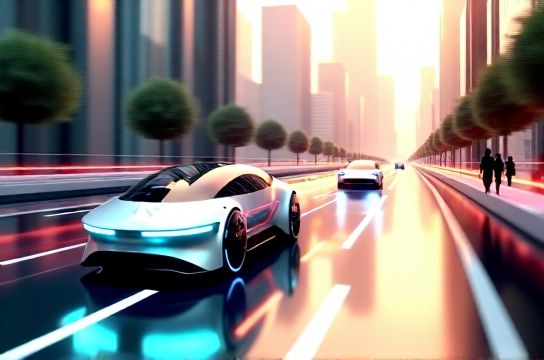
The global self driving car market is projected to hit $246 billion by 2030, growing at a CAGR of 18.2% (MarketsandMarkets, 2023). But it’s not just about fancy tech — it’s about safety, efficiency, and sustainability. In fact, the NHTSA estimates that up to 94% of serious crashes are caused by human error. Remove the human from the equation? That’s where self driving cars come in.
Right now, there are six levels of vehicle automation (SAE International standard J3016). Most consumer vehicles today sit at Level 2 — think Tesla Autopilot or GM’s Super Cruise. These offer driver assistance but still require full attention. True autonomy? That’s Levels 4 and 5, where the car drives itself under all conditions. Companies like Waymo and Cruise are already operating Level 4 fleets in limited zones.
But what does this mean for everyday users? Let’s break down the real-world impact using data:
Autonomous Vehicle Adoption: Key Metrics (2023–2030)
| Metric | 2023 | 2030 (Projected) | Growth |
|---|---|---|---|
| Global AV Market Size | $65B | $246B | +278% |
| AV Units on Road | 380,000 | 14M | +3584% |
| Crash Reduction (Est.) | 15% | 90% | +500% |
| Urban Traffic Efficiency Gain | 10% | 40% | +300% |
Now, let’s talk trust. A 2023 AAA survey found only 27% of Americans fully trust self driving cars. But here’s the twist: ridership in AV pilot programs like Waymo One in Phoenix has surged, with over 200,000 rides completed and customer satisfaction above 4.8/5. Experience beats skepticism every time.
One underrated benefit? Traffic flow optimization. Self driving cars communicate with each other (V2V tech) and infrastructure (V2I), reducing stop-and-go waves and cutting average commute times by up to 30% in smart city simulations.
Of course, challenges remain — regulation, cybersecurity, ethical AI decisions. But the momentum is undeniable. Cities like Singapore and Shenzhen are already integrating autonomous shuttles into public transit. Uber and Lyft are investing heavily in robotaxi partnerships. The future isn’t just coming — it’s driving itself.
If you're curious how this impacts your daily life, check out our deep dive on intelligent transportation ecosystems. From reduced emissions to fewer parking headaches, the ripple effects are massive.
The bottom line? Whether you're a cautious commuter or a tech enthusiast, understanding self driving cars isn’t optional anymore — it’s essential.