Modular EV Platforms Support Diverse Vehicle Types
- 时间:
- 浏览:269
- 来源:OrientDeck
If you're into electric vehicles (EVs), you’ve probably heard the buzz about modular EV platforms. But what exactly are they, and why should you care? As a tech-savvy EV blogger who’s tested everything from compact hatchbacks to full-size SUVs, I’m here to break it down—no jargon, just real insights backed by data.
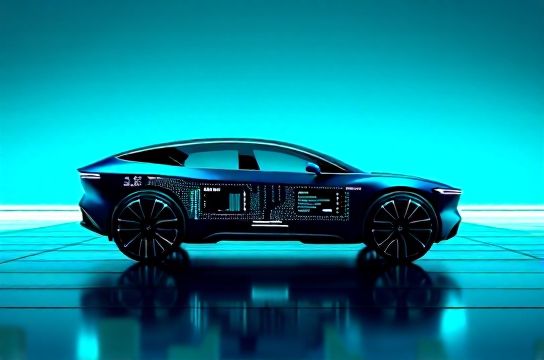
Simply put, a modular EV platform is like a universal skeleton that automakers use to build different types of electric cars. Think LEGO for EVs: one base design, endless configurations. This isn’t just convenient—it’s revolutionizing how fast and affordably EVs hit the market.
Take Volkswagen’s MEB platform, for example. It underpins models like the ID.4, Audi Q4 e-tron, and even future Scout SUVs. BMW and Mercedes have their own versions—Neue Klasse and MMA/EVA2, respectively. These platforms allow manufacturers to scale battery sizes, wheelbases, and powertrains across sedans, crossovers, and performance models—all from a single architecture.
Why does this matter to you? Lower costs. According to McKinsey, modular platforms can reduce production expenses by up to 30%, savings often passed on to consumers. Plus, faster development cycles mean newer tech reaches drivers quicker.
Let’s look at some hard numbers:
| Platform | Manufacturer | Vehicle Range (km) | Battery Options (kWh) | Supported Vehicle Types |
|---|---|---|---|---|
| MEB | Volkswagen Group | 400–600 | 58–82 | Hatchback, SUV, Van |
| Hyundai E-GMP | Hyundai/Kia/Genesis | 450–600 | 58–77.4 | Sedan, Crossover |
| Tesla Platform | Tesla | 400–700 | 60–100 | SUV, Sedan, Truck |
| e-TNGA | Toyota/Subaru | 400–500 | 50–72 | Crossover, Sedan |
As shown, platforms like modular EV platforms aren’t just flexible—they’re efficient. The Hyundai E-GMP, for instance, supports 800V fast charging, enabling a 10–80% charge in under 18 minutes. That’s a game-changer for long trips.
Another key benefit? Software integration. Modern platforms are built with over-the-air (OTA) updates in mind. Tesla leads here, but VW and GM are catching up fast. This means your car can improve over time—more range, better performance, enhanced safety—without visiting a dealership.
Looking ahead, next-gen platforms like GM’s Ultium promise even greater versatility. One pack design fits everything from the Chevrolet Silverado EV to the Cadillac Lyriq. That kind of scalability is why experts predict EV prices could match ICE vehicles by 2025.
In short, if you're shopping for an EV, don’t just look at the model—check what’s underneath. A solid modular platform means better value, smarter tech, and a longer shelf life. Whether you're eyeing a family SUV or a sporty sedan, the future is modular—and it’s already here.