AI Powered Driving Assistance Systems Changing Mobility
- 时间:
- 浏览:304
- 来源:OrientDeck
If you're into cars—or even just commuting without losing your mind in traffic—you've probably heard about AI powered driving assistance systems. But what exactly are they, and why should you care? Let’s break it down with real data, not just hype.
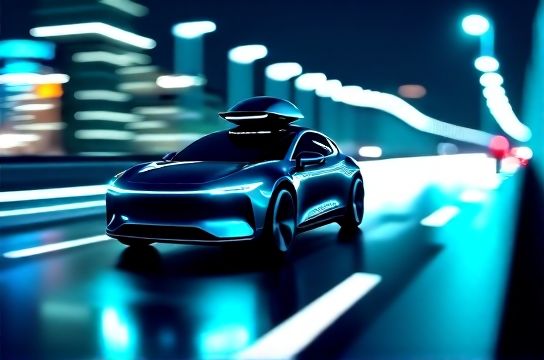
These aren’t sci-fi fantasies anymore. From Tesla’s Autopilot to GM’s Super Cruise, AI is reshaping how we drive. In fact, the global market for AI in automotive is expected to hit $33.1 billion by 2027 (Statista, 2023). That’s not just growth—it’s a full-on revolution.
What Makes AI-Powered Systems Different?
Old-school driver aids like cruise control or backup cameras were reactive. Modern AI powered driving assistance systems are proactive. They use machine learning, real-time sensor fusion (cameras, radar, LiDAR), and over-the-air updates to get smarter over time.
Take lane-keeping, for example. Traditional systems beep when you drift. AI versions predict drift before it happens—analyzing steering patterns, road curvature, and even driver fatigue from biometrics.
Top Players & Real-World Performance
Not all systems are created equal. Here's how leading platforms stack up based on safety ratings, availability, and autonomy level:
| System | Company | Max Autonomy Level | Highway Handling | OTA Updates |
|---|---|---|---|---|
| Autopilot/FSD | Tesla | L2+ (L3 in testing) | Excellent | Yes |
| Super Cruise | General Motors | L2 | Excellent | Limited |
| Pilot Assist | Volvo | L2 | Good | Yes |
| Drive Pilot | Mercedes-Benz | L3 (approved in US & EU) | Outstanding | Yes |
Notice something? Mercedes is the only brand with legal L3 approval, meaning the car can take full responsibility under certain conditions. That’s huge—it shifts liability from driver to manufacturer.
Why This Matters for Everyday Drivers
You don’t need to be an early adopter to benefit. Studies show that vehicles equipped with advanced AI assistance reduce rear-end collisions by up to 50% (IIHS, 2022). Even basic features like automatic emergency braking rely on AI decision-making.
And let’s talk comfort: long drives are less exhausting when your car handles adaptive speed, lane positioning, and stop-and-go traffic. For aging drivers or those with disabilities, these systems mean greater independence.
The Roadblocks Ahead
It’s not all smooth sailing. Public trust lags behind tech progress. A 2023 AAA survey found that 68% of drivers still distrust full automation. Misunderstanding between L2 vs L3 also leads to misuse—like Tesla owners sleeping behind the wheel (which, by the way, isn’t allowed).
Data privacy is another concern. Who owns your driving behavior data? How is it used? Transparency will be key as regulations catch up.
Final Thoughts
AI powered driving assistance systems are more than cool tech—they’re making roads safer, driving easier, and mobility more accessible. As improvements accelerate, choosing a vehicle without one might soon feel like buying a phone without internet.
Want to experience the future? Start by exploring models with certified AI powered driving assistance systems. Your next car might just drive itself—safely and smartly.