Self Driving Cars and the Evolution of Urban Infrastructure
- 时间:
- 浏览:313
- 来源:OrientDeck
Let’s be real — when you hear “self driving cars,” you probably think of sleek Teslas gliding silently through city streets. But here’s the truth: autonomous vehicles aren’t just changing how we drive — they’re reshaping entire cities from the ground up.
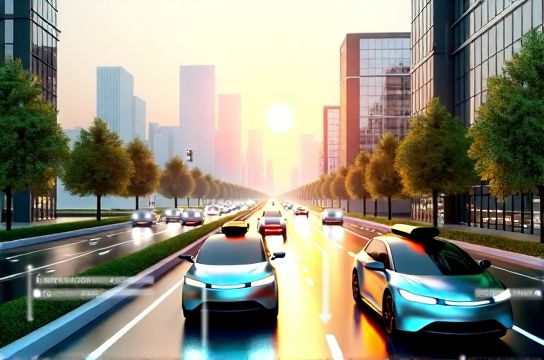
As a mobility tech analyst who’s worked with urban planners and automakers, I’ve seen firsthand how self driving cars are forcing cities to rethink everything — from traffic lights to parking spaces. And the numbers? They’re not just impressive; they’re transformative.
Take this: by 2030, up to 15% of new vehicles sold globally could be fully autonomous (McKinsey & Company, 2023). That shift means fewer accidents — the National Highway Traffic Safety Administration (NHTSA) estimates 94% of crashes are due to human error. Remove the human, and suddenly roads become safer, smoother, and smarter.
How Cities Are Adapting Right Now
Urban infrastructure wasn’t built for robots. But cities like Phoenix, Austin, and Singapore are already retrofitting their systems. Smart traffic signals that communicate with vehicles, dedicated AV lanes, and AI-powered congestion management are no longer sci-fi — they’re live in pilot zones.
Here’s a snapshot of current urban upgrades:
| City | AV Integration Level | Parking Reuse Projects | Traffic Flow Improvement |
|---|---|---|---|
| Phoenix, AZ | High (Waymo operations) | 3 urban parks planned | 18% reduction in peak delays |
| Singapore | Medium-High | Smart parking towers | 22% increase in throughput |
| Berlin, Germany | Medium | Road-to-bike lane conversion | 12% smoother flow |
Notice a trend? Less parking = more public space. One study found that autonomous fleets could reduce parking demand by up to 80% (University of California, Davis). That’s acres of land freed up for parks, housing, or cafes — not concrete.
The Hidden Cost of Waiting
Cities dragging their feet? They’re risking economic relevance. Early adopters attract tech investment, reduce commute times, and lower emissions. For example, AVs optimized for platooning can cut urban CO₂ emissions by up to 60% in high-density areas (International Transport Forum).
But it’s not all smooth sailing. Cybersecurity, data privacy, and equitable access remain huge challenges. If only wealthy neighborhoods get smart intersections, we’re building a two-tiered transportation system — and that’s not progress.
Still, the momentum is undeniable. Whether you're a city planner or just someone tired of traffic, understanding how self driving cars reshape infrastructure helps you stay ahead. And if you're betting on real estate or urban development, now’s the time to look beyond roads — because the future isn’t just driverless, it’s reimagined.
Want to see how your city stacks up? Check out live AV deployment maps at our urban mobility hub — where policy meets innovation.