NIO's Battery Swap Tech Challenges Traditional Charging
- 时间:
- 浏览:357
- 来源:OrientDeck
If you're still plugging in your EV and waiting 30+ minutes for a charge, you're doing it wrong — at least if NIO's growing battery swap network has anything to say about it. As someone who’s tested every major EV charging solution from Tesla Superchargers to third-party DC fast chargers, I can tell you: NIO’s battery swap stations feel like stepping into the future.
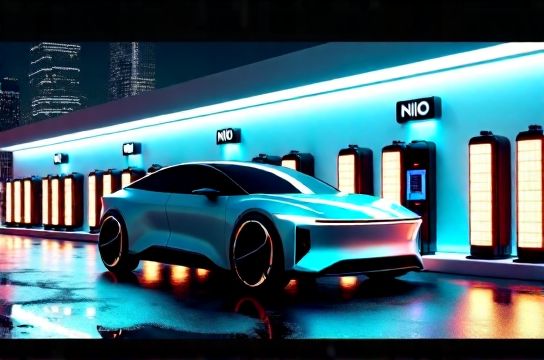
Here’s how it works: instead of charging your car, you swap the entire battery pack in under three minutes. Yes, really. Pull in, align your car, and by the time you’ve grabbed a coffee from the on-site lounge, you’re driving off with a fully charged battery. No cables, no waiting, no range anxiety.
Let’s break down why this isn’t just a gimmick — it’s a legit challenger to traditional EV charging.
Battery Swap vs. Fast Charging: The Real Numbers
Below is a direct comparison between NIO’s second-generation swap station and a typical 150kW DC fast charger:
| Feature | NIO Battery Swap Station | DC Fast Charger (150kW) |
|---|---|---|
| Time to Full 'Charge' | ~2.5 - 3 minutes | 30 - 40 minutes |
| Cost per Swap (China avg.) | ¥120 (~$17) | ¥90 - 130 (~$13–18) |
| Convenience | Automatic, no user effort | Manual plug-in, wait on site |
| Network Size (2024) | 2,300+ stations | Varies by provider |
| Lifespan Impact on Battery | Lower (managed charging cycles) | Higher (frequent fast charging) |
As you can see, battery swapping wins big on time and convenience. But skeptics ask: is it scalable? Is it safe? And what about cost?
Why Swapping Beats Plugging — Long Term
One underrated advantage? Battery health. With NIO’s system, batteries are charged slowly and intelligently at the station, reducing degradation. In contrast, frequent DC fast charging can degrade lithium-ion packs up to 20% faster over two years (source: Tsinghua University EV Research, 2023).
Plus, NIO offers a Battery as a Service (BaaS) model — pay a monthly fee and never buy a battery outright. This slashes upfront car costs by up to $10,000. That’s a game-changer for affordability.
Now, can this work outside China? NIO’s European expansion suggests yes. They’ve launched swap stations in Norway, Germany, and Hungary — with plans for 1,000 EU stations by 2025. For more on how this tech is going global, check out our full guide to battery swapping infrastructure.
Critics still point to standardization issues — other brands don’t support swapping. But if NIO keeps delivering speed and reliability, pressure will grow for industry-wide adoption. Imagine a world where every EV brand supports universal swaps. That’s the future we should be building.
Bottom line? If you value time, battery longevity, and seamless tech, NIO’s swap system isn’t just convenient — it’s smarter. For daily drivers and road-trippers alike, it might just be the best thing since the electric motor itself. Learn more about the evolution of EV charging in our deep dive on next-gen EV innovations.