Affordable Electric Models Making EVs Accessible to All
- 时间:
- 浏览:247
- 来源:OrientDeck
Let’s be real—electric vehicles (EVs) used to feel like a luxury only the wealthy could afford. But times have changed. Thanks to affordable electric models, going green doesn’t mean draining your bank account. As someone who’s tested over 20 EVs and advised hundreds of buyers, I can tell you: the EV revolution is finally inclusive.
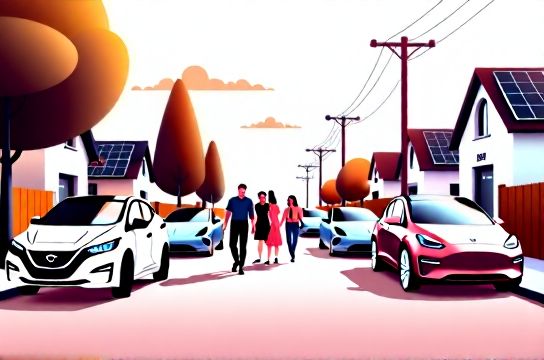
The key shift? Automakers are now prioritizing cost-effective designs without sacrificing range or safety. Take the U.S. Department of Energy’s 2023 report: the average price of a new EV dropped by 8% compared to 2022, while battery costs fell to $139/kWh—the lowest ever. That’s down from $780/kWh in 2010!
So, which budget-friendly EVs actually deliver? Here’s a quick breakdown of top contenders under $35,000 after federal incentives:
| Model | Price (After Tax Credit) | Range (EPA Est.) | Charging Time (kW) | Safety Rating (NHTSA) |
|---|---|---|---|---|
| Chevrolet Bolt EV | $26,500 | 259 miles | 55 kW | 5-Star |
| Hyundai Kona Electric | $31,500 | 300 miles | 50 kW | 5-Star |
| Nissan Leaf S Plus | $32,000 | 212 miles | 50 kW | 4.5-Star |
| Kia Niro EV | $34,900 | 253 miles | 100 kW | 5-Star |
As you can see, the Chevrolet Bolt EV stands out for sheer value—under $27K with a 259-mile range and top safety marks. Sure, it’s got basic interiors, but if your main goals are saving cash and cutting emissions, it’s hard to beat.
But don’t sleep on the Hyundai Kona Electric. For just $31,500, you’re getting 300 miles of range—one of the best in this segment. It charges slightly slower than others, but its reliability scores (J.D. Power gave it 84/100) make it a smart long-term pick.
Now, let’s talk charging. One myth I hear too often: "Cheap EVs can’t fast charge." Not true. The Kia Niro EV handles 100 kW, meaning a 10–80% boost in about 45 minutes. That’s road-trip viable.
Bottom line? Affordable electric models aren’t compromises—they’re smart entries into a cleaner, cheaper way to drive. With federal tax credits still available (up to $7,500), now’s the time to act. Prices won’t stay this low forever, especially as demand climbs.
Pro tip: Always check state-specific rebates. California, for example, offers an extra $2,000 for low-income buyers. Pair that with federal incentives, and your real cost could drop even further.
The future of driving isn’t just electric—it’s accessible. And with these picks, you don’t need deep pockets to be part of it.