China’s EV Makers Export Growth Reshaping Auto Trade
- 时间:
- 浏览:184
- 来源:OrientDeck
Let’s cut through the hype: China didn’t just enter the global EV race — it *leapt* into the driver’s seat. In 2023, Chinese EV makers exported **1.21 million electric vehicles**, a staggering **58% year-on-year surge**, per CAAM (China Association of Automobile Manufacturers). That’s more than Germany *and* South Korea combined — and it’s not slowing down.
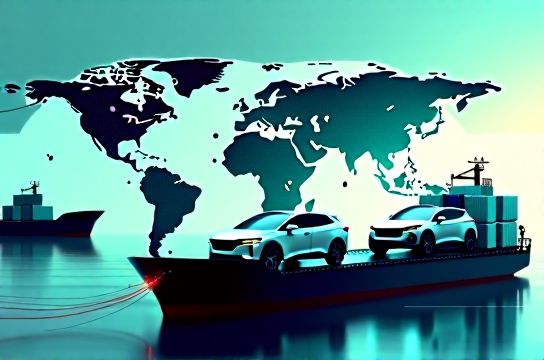
Why does this matter to *you*? Whether you’re a fleet buyer in Norway, an import distributor in Mexico, or a policy analyst in Brussels — China’s export momentum is rewriting supply chains, pricing benchmarks, and even safety & software expectations.
Here’s what the data *actually* tells us:
| Country | 2023 EV Imports from China (Units) | YoY Change | Top Chinese Brand |
|---|---|---|---|
| Thailand | 62,400 | +217% | BYD |
| Mexico | 38,900 | +342% | MG (SAIC) |
| Germany | 29,100 | +89% | BYD Atto 3 |
| Australia | 24,700 | +193% | Wuling Air EV |
Notice the pattern? It’s not just volume — it’s *strategic localization*. BYD opened its first European factory in Hungary (Q2 2024); SAIC launched MG’s R&D hub in London; and Geely now co-develops batteries with Volvo *and* supplies them to Polestar. This isn’t outsourcing — it’s integrated sovereignty over the full stack: cells, software, and service.
So — should you wait, watch, or act?
✅ If you’re evaluating EV procurement: Compare TCO (Total Cost of Ownership) — not just sticker price. Chinese EVs average **22–28% lower 5-year TCO** vs. EU-made peers (McKinsey, 2024), thanks to battery vertical integration and lean digital manufacturing.
✅ If you’re advising clients on market entry: Prioritize markets with *existing charging infrastructure alignment* (e.g., Thailand’s CCS2 rollout) — not just low tariffs. 67% of failed imports cite software incompatibility (e.g., navigation, OTA updates), not hardware.
Bottom line? This isn’t a ‘China vs. the West’ story — it’s a *systems upgrade*. And the best move right now? Get grounded in real-world benchmarks — not headlines.
Want actionable sourcing checklists, tariff code mappings, or OEM compatibility scorecards? We break it down — no fluff, just field-tested insights. Dive deeper with our free EV import readiness guide, or explore how top-tier distributors are future-proofing their portfolios using our China EV trade intelligence toolkit.
P.S. The next wave? Battery-swapping networks hitting Latin America by late 2024 — and they’re built on Chinese tech stacks. Stay tuned.