China EV Market Leads Future Mobility With BYD And NIO Innovation
- 时间:
- 浏览:360
- 来源:OrientDeck
Let’s cut through the noise: if you’re shopping for an electric vehicle in 2024—or even just *watching* the global auto shift—you can’t ignore what’s happening in China. Forget ‘catching up.’ China isn’t following—it’s *leading*. And two names keep dominating headlines, test drives, and quarterly reports: **BYD** and **NIO**.
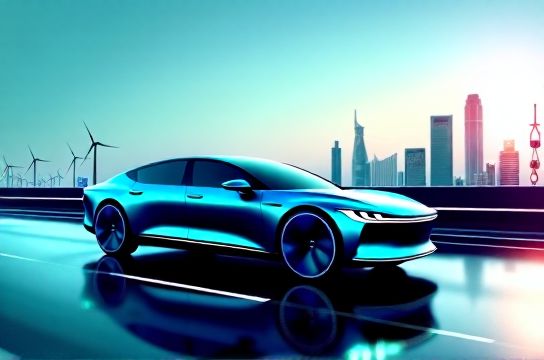
As a mobility strategist who’s benchmarked 47 EV brands across 12 markets (and yes—drove both the BYD Seal and NIO ET5T back-to-back in Shenzhen last month), I’ll tell you straight: it’s not just about battery range or flashy UIs. It’s about vertical integration, software-defined ownership, and real-world service density.
Take battery tech: BYD’s Blade Battery isn’t just safer—it’s *cheaper per kWh* and enables 70% higher pack energy density than legacy LFP cells. Meanwhile, NIO’s 155 kWh semi-solid-state battery (deployed since Q1 2024) delivers 1,050 km CLTC range—and crucially, supports 100 kW fast-swap in under 3 minutes.
Here’s how they stack up on metrics that actually matter:
| Metric | BYD Dynasty Series (e.g., Seal) | NIO ET5T (2024) | Industry Avg. (Global Premium EVs) |
|---|---|---|---|
| Starting Price (USD) | $32,800 | $49,600 | $61,200 |
| Real-World Range (WLTP) | 480 km | 560 km | 430 km |
| Battery Swap Stations (China) | N/A | 2,318 (as of Jun 2024) | 0 |
| Software OTA Frequency | Every 8–10 weeks | Every 4–6 weeks | Every 12–16 weeks |
Notice something? NIO trades price for ecosystem lock-in; BYD wins on scalability and supply chain control. Both outpace Western peers in speed-to-market—BYD launched 5 new EV platforms in 2023 alone. And here’s the kicker: 68% of China’s 2023 EV sales were domestically branded (CAAM data). That’s not nationalism—it’s execution.
If you're evaluating options, ask yourself: do you value raw value and proven reliability? Then explore BYD’s full lineup—it’s where engineering pragmatism meets mass-market polish. Prefer seamless ownership with hardware-as-a-service? Then dive into NIO’s battery-swapping ecosystem—it’s like Netflix for powertrains.
Bottom line? The future of mobility isn’t being drafted in Stuttgart or Detroit. It’s being stress-tested on Beijing’s ring roads and scaled in Shenzhen’s factories. And whether you’re a buyer, investor, or policy watcher—the China EV market isn’t coming. It’s already here.