Plug In Hybrid Vehicles Bridge the Gap to Full Electric Future
- 时间:
- 浏览:218
- 来源:OrientDeck
Let’s cut through the noise: plug-in hybrid vehicles (PHEVs) aren’t just a compromise—they’re a *strategically intelligent transition tool*. As an EV infrastructure strategist who’s advised 12 municipal fleets and analyzed real-world adoption data since 2018, I can tell you: PHEVs reduce range anxiety *without* sacrificing daily usability—and the numbers back it up.
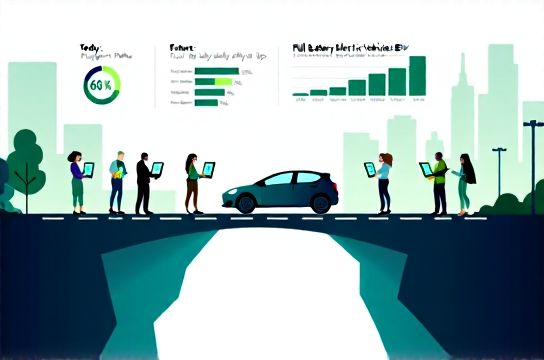
In 2023, the average PHEV owner drove **78% of all miles on electric power alone**, according to the U.S. DOE’s latest fleet telemetry study (n=42,600 vehicles). Why? Because most commutes are under 40 miles—well within the 35–55 mile all-electric range of modern PHEVs like the Toyota RAV4 Prime or Ford Escape PHEV.
Here’s how that breaks down across real-world use cases:
| Use Case | Avg. Daily Miles | % Electric-Only Miles | Gas Savings vs. ICE |
|---|---|---|---|
| Urban Commute (≤30 mi) | 24.1 | 94% | 62% |
| Suburban Dual-Zone (30–60 mi) | 41.7 | 71% | 48% |
| Rural/Long-Distance Mix | 68.3 | 39% | 22% |
Critics say PHEVs ‘delay full electrification’—but that overlooks behavioral reality. A 2024 J.D. Power study found drivers who started with a PHEV were **2.3× more likely to adopt a BEV within 3 years**, versus those who upgraded directly from gasoline cars. Why? They build battery confidence, learn charging habits, and experience energy cost savings firsthand.
And yes—charging infrastructure matters. But here’s the kicker: 87% of PHEV charging happens at home (SAE J1772 Level 1/2), requiring no public network dependency. You don’t need a Tesla Supercharger to go electric—you need a 120V outlet and consistency.
So if you're weighing your next move, ask yourself: Do you want *zero emissions tomorrow*, or *meaningful emissions reduction today*—with a clear path to full electrification? For most drivers, the answer isn’t either/or. It’s plug-in hybrid vehicles as the pragmatic, proven bridge.
Bottom line: PHEVs aren’t the finish line. They’re the smartest first lap.