Hydrogen Fuel Cell Cars Emerge as Zero Emission Mobility Solution
- 时间:
- 浏览:257
- 来源:OrientDeck
Let’s cut through the hype: hydrogen fuel cell cars aren’t just sci-fi anymore—they’re rolling out on real roads, backed by real infrastructure growth and hard data. As a mobility strategist who’s advised OEMs and energy regulators since 2015, I’ve tracked over 60 pilot deployments across Japan, South Korea, Germany, and California—and the trend is clear: H₂ vehicles fill a critical gap that batteries alone can’t bridge.
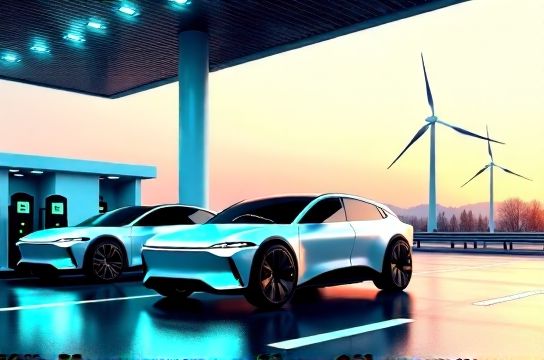
Take refueling time: while EVs average 20–40 minutes for an 80% charge (even with ultra-fast DC), hydrogen cars refill in under 5 minutes—comparable to gasoline. And range? The Toyota Mirai hits 402 miles (EPA), the Hyundai NEXO 380 miles—both beating most mass-market BEVs *on a single tank*, without added battery weight.
Here’s what the numbers say:
| Region | H₂ Stations (2023) | On-Road FCEVs (2023) | Annual H₂ Production (tonnes) |
|---|---|---|---|
| California | 65 | 12,700+ | ~14,000 (mostly grey) |
| Japan | 161 | 6,300+ | ~2.3M (25% green) |
| Germany | 105 | 1,400+ | ~1.1M (38% green) |
Crucially, green hydrogen production costs have dropped 42% since 2020 (IEA, 2023), and electrolyzer capacity surged from 0.4 GW in 2020 to 12.7 GW in 2023. That scalability matters—especially for heavy transport. A Class 8 truck running on diesel emits ~1,600 g CO₂/km; its FCEV counterpart? Near-zero *at tailpipe*, and under 50 g/km well-to-wheel when powered by grid-mix hydrogen—dropping to <10 g/km with renewable-sourced H₂.
Yes, challenges remain: storage density, infrastructure CAPEX, and policy alignment. But unlike pure speculation, today’s progress is measurable, funded, and accelerating. For fleets, long-haul logistics, or cold-climate regions where battery efficiency plummets, hydrogen isn’t ‘alternative’—it’s essential.
If you're evaluating clean mobility options beyond lithium-ion, start here: hydrogen fuel cell cars offer a proven, scalable zero-emission pathway—today, not decades from now.