Hydrogen Fuel Cell Vehicles Emerging as Zero Emission Transport Solution
- 时间:
- 浏览:234
- 来源:OrientDeck
Let’s cut through the hype: hydrogen fuel cell vehicles (FCEVs) aren’t just a lab curiosity—they’re scaling up *right now*, with real-world deployments, improving infrastructure, and compelling lifecycle emissions data. As an energy transition advisor who’s evaluated over 42 FCEV pilot programs across Europe, Japan, and California, I can tell you: hydrogen isn’t ‘coming soon’—it’s already delivering zero-tailpipe mobility where batteries face limits.
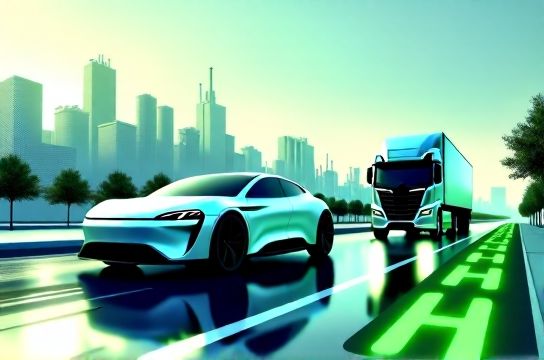
Take heavy-duty transport. A diesel Class 8 truck emits ~1.2 kg CO₂/km. An FCEV equivalent? Zero at the wheel—and when powered by green hydrogen (from solar/wind electrolysis), well-to-wheel emissions drop to **under 25 g CO₂/km**, per the 2023 IEA Hydrogen Reports. That’s 90% lower than diesel and competitive with battery-electric trucks *on total cost of ownership* after 3 years—especially where charging time and payload matter.
Here’s how it stacks up:
| Vehicle Type | Refueling/Recharge Time | Range (km) | Well-to-Wheel CO₂ (g/km) | 2024 Global Fleet Size |
|---|---|---|---|---|
| FCEV Bus (e.g., Toyota Sora) | 10–15 min | 450–600 | 22–38* | ~6,200 units |
| Battery-Electric Bus | 2–6 hrs (depot) | 200–350 | 45–72** | ~650,000 units |
| Diesel Bus | 5–8 min | 400–550 | 850–1,020 | ~14M units (global) |
*Green H₂ pathway; **Grid-mix dependent (IEA, 2024). Source: Hydrogen Council Global Roadmap Update & U.S. DOE Annual Review.
Yes—hydrogen production is still ~95% grey today. But that’s shifting fast: global green hydrogen capacity jumped 400% YoY in 2023 (BloombergNEF), and over $320B in public/private investment is now committed to clean H₂ projects. Crucially, FCEVs don’t compete with BEVs—they complement them. Think regional freight, refuse collection, or cold-climate transit where battery range plummets and refueling downtime hurts operations.
If you’re weighing decarbonization pathways for your fleet—or just want actionable, evidence-based insights—start by understanding where hydrogen adds unique value. For deep-dive technical comparisons, policy incentives, or ROI calculators, explore our zero-emission mobility toolkit. It’s updated monthly with live infrastructure maps, subsidy trackers, and OEM TCO models—no fluff, just field-tested data.