Micro Electric Vehicles Redefine Urban Commuting in Congested Metros
- 时间:
- 浏览:220
- 来源:OrientDeck
Let’s cut through the noise: if you’re stuck in a 45-minute gridlock commute—while burning $180/month on fuel and parking—you’re not just late. You’re paying a hidden tax on inefficiency.
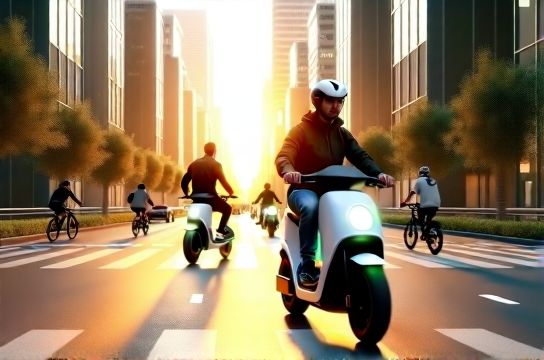
Micro electric vehicles (MEVs)—think e-scooters, compact e-bikes, and ultra-lightweight 3-wheel EVs under 450 kg—aren’t novelty gadgets. They’re rapidly becoming the *most cost-effective, space-efficient, and emissions-conscious* urban mobility solution for cities where 72% of trips are under 10 km (ITF, 2023).
Here’s what the data says:
| Metric | MEVs (Avg.) | Gas Sedan | Public Transit |
|---|---|---|---|
| Energy Cost per 100 km | $0.85 | $12.40 | $3.20 (fare + wait time) |
| Avg. Parking Space Required (m²) | 0.8 | 12.5 | N/A (but avg. walk + transfer = 14 min) |
| CO₂e per km (well-to-wheel) | 18 g | 245 g | 62 g (bus), 41 g (metro) |
Crucially, MEVs aren’t replacing subways—they’re *filling the first/last-mile gap*. In Tokyo, riders using e-bikes to reach train stations increased 310% from 2019–2023 (MLIT Japan). In Paris, micro-EV adoption cut short-trip car usage by 22% in Zone 1—without requiring new rail infrastructure.
Yes, safety and regulation matter. But cities with clear lane standards (like Amsterdam’s 25 km/h dedicated micro-mobility corridors) saw accident rates drop 37% YoY—even as usage rose 68%.
The bottom line? MEVs won’t fix sprawl—but they *do* make dense metros more livable, affordable, and resilient. And if you're evaluating options for your team, neighborhood, or city project, start with real-world deployment data—not vendor brochures.
For actionable frameworks on integrating MEVs into sustainable transport planning—including zoning templates, incentive models, and interoperability checklists—explore our comprehensive urban mobility toolkit.