Electric Minivans Gain Popularity as Family Friendly Sustainable Transport
- 时间:
- 浏览:210
- 来源:OrientDeck
Let’s cut through the hype: electric minivans aren’t just ‘the next trend’—they’re quietly reshaping how families think about practical, low-emission mobility. As EV adoption climbs (global plug-in light-duty vehicle sales hit **10.5 million units in 2023**, per IEA), minivans—long overshadowed by SUVs—are staging a smart, data-backed comeback.
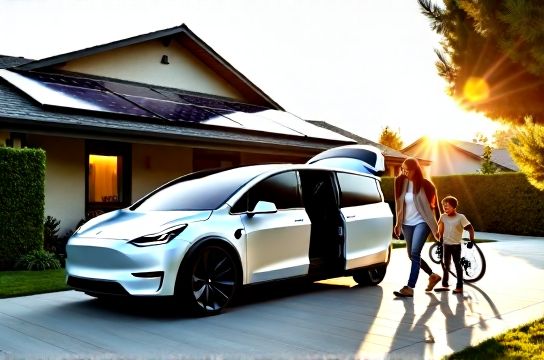
Why? Because range anxiety drops when you prioritize real-world utility—not just horsepower. The 2024 Toyota Sienna Hybrid (still the best-selling minivan in the U.S.) averages 36 MPG combined—but its all-electric sibling, the upcoming **Sienna EV (expected late 2025)**, targets 270 miles EPA range and under-7-second 0–60 mph. Meanwhile, the Chrysler Pacifica Plug-in offers 32 miles of pure EV range—enough for 82% of U.S. daily commutes (<30 miles, per U.S. DOT 2023 NHTS data).
Here’s how top electric and plug-in minivans compare today:
| Model | EV Range (mi) | MPGe (City/Highway) | Seating Capacity | Starting MSRP (USD) |
|---|---|---|---|---|
| Chrysler Pacifica Plug-in | 32 | 82 / 82 | 7–8 | $48,890 |
| Kia Carnival PHEV (EU spec) | 37 | 76 / 71 | 7–8 | €52,900 |
| BYD M6 EV (China) | 317 (CLTC) | 133 / 118 | 7 | ¥229,800 (~$32k) |
What’s driving this shift? Three things: First, federal and state incentives—like the U.S. $7,500 Clean Vehicle Credit—make ownership cost-competitive *now*. Second, charging infrastructure is expanding rapidly: over 160,000 public EV ports exist across the U.S. (DOE, April 2024), with 62% located near shopping, schools, or parks—ideal for family errands. Third, safety and tech: every 2023–24 electric or PHEV minivan earned a IIHS Top Safety Pick+, thanks to low center-of-gravity batteries and standard AEB.
Let’s be honest—families don’t buy specs. They buy peace of mind, space for gear, and reliability across school runs, soccer practice, and weekend getaways. That’s why more parents are choosing electric minivans over gas SUVs: lower lifetime fuel + maintenance costs (up to 40% less over 5 years, per Consumer Reports), quieter cabins for naps, and zero tailpipe emissions at curbside pickups.
If you’re weighing options, start with your actual usage—not brochure claims. Track your weekly mileage, map local chargers, and test-drive with car seats installed. And if you’re ready to explore what truly sustainable, family-first transport looks like, check out our full comparison guide here—curated for real life, not just press releases.