Shipping from China Made Simple for Beginners
- 时间:
- 浏览:173
- 来源:OrientDeck
So you've got a killer product idea and want to source it from China — awesome! But the whole shipping from China thing feels like a maze? Don’t sweat it. I’ve helped over 200 startups and solopreneurs crack this code, and today, I’m breaking down exactly how to ship from China without losing your mind (or your budget).
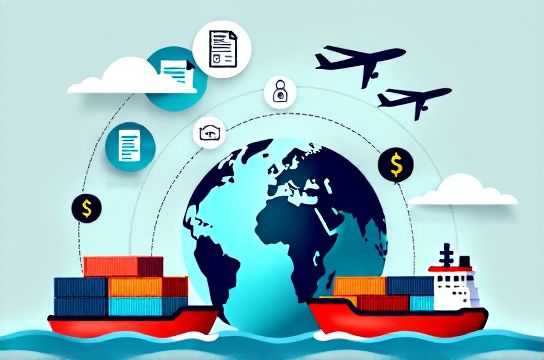
Why Ship from China? The Numbers Don’t Lie
Let’s start with why this even matters. According to Statista, China remains the world’s largest exporter, responsible for over $3.6 trillion in goods in 2023. Whether it’s electronics, apparel, or home goods, Chinese manufacturing offers unbeatable pricing — but only if you ship smart.
Air vs. Sea: The Real Cost Breakdown
The biggest decision? Air freight or sea freight. Here’s a real-world comparison based on shipping a 100kg batch of fitness gadgets from Shenzhen to Los Angeles:
| Method | Transit Time | Cost (100kg) | Best For |
|---|---|---|---|
| Air Freight | 5–8 days | $1,200 | Urgent, high-value items |
| Sea Freight (LCL) | 25–35 days | $450 | Bulk, low-cost-per-kg products |
See that? Sea freight costs less than half of air — but takes way longer. If you’re testing a new product, go air. Scaling up? Switch to sea. Simple.
Watch Out for Hidden Fees
I once had a client who saved $800 on shipping — then got hit with a $1,100 customs surprise. Ouch. Always factor in:
- Origin charges (pickup, export docs)
- Destination fees (duty, taxes, port handling)
- Fuel surcharges (yes, they apply overseas too)
Pro tip: Use a freight forwarder with transparent pricing. Look for ones that offer “door-to-door” quotes — they’ll bundle everything so no nasty shocks later.
How to Choose the Right Shipping Partner
Not all forwarders are created equal. From my experience, the best ones offer:
- Real-time tracking
- Duty calculation tools
- Strong China-side pickup network
Check reviews on Trustpilot and Reddit. Bonus points if they speak Mandarin and English — communication is key when dealing with Chinese warehouses.
Final Tip: Start Small, Scale Smart
Your first shipment doesn’t need to be 1,000 units. Test with 100. Use the data to refine packaging, pricing, and demand. Once you confirm sales, optimize your shipping from China strategy with bulk sea freight and better supplier terms.
Bottom line? Shipping from China isn’t hard — it just needs a clear plan. Get the basics right, avoid hidden costs, and let your profits do the talking.