Top 10 Tips for Buying Affordable Smart Home Devices
- 时间:
- 浏览:211
- 来源:OrientDeck
So you're ready to dive into the world of smart homes—but without emptying your wallet? You're not alone. With over 48% of U.S. households now using at least one smart home device (Statista, 2023), demand is booming, and prices are slowly dropping. But how do you score quality tech without getting scammed by shiny gimmicks? As a longtime smart home enthusiast and reviewer, I’ve tested dozens of devices—from budget cameras to voice-controlled thermostats—and here are my top 10 battle-tested tips for buying affordable smart home devices that actually work.
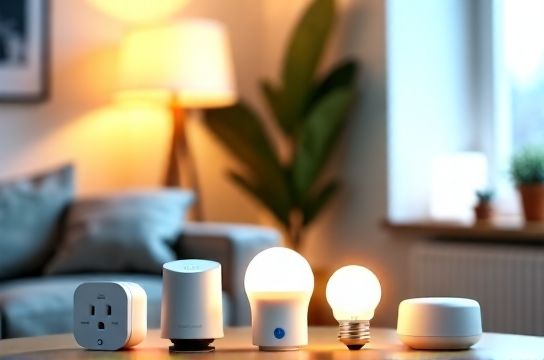
1. **Wait for Major Sales Events** Black Friday, Prime Day, and back-to-school season see average discounts of 30–50% on popular items like smart speakers and security kits. Pro tip: Set price alerts on sites like CamelCamelCamel.
2. **Prioritize Ecosystem Compatibility** Don’t buy a random $20 smart plug if it doesn’t work with Alexa or Google Home. Check compatibility first—otherwise, it’s just an expensive paperweight.
3. **Buy Refurbished from Trusted Brands** Manufacturers like Amazon and Google sell certified refurbished devices with full warranties. You can save up to 40%—and they’re often indistinguishable from new.
4. **Avoid Overpriced Bundles** Some brands lure you in with ‘starter packs’ but charge a premium. Compare individual prices first. Here’s a quick cost breakdown:
| Product | Bundle Price | Individual Total | Savings? |
|---|---|---|---|
| Ring Indoor Cam + Chime | $99 | $89 | No (You lose $10) |
| Philips Hue Starter Kit | $129 | $140 | Yes ($11 saved) |
5. **Check for Ongoing Subscription Costs** Some cheap cameras require a $3–$10/month cloud plan for video storage. Factor this in—over 3 years, that could cost more than the device!
6. **Read Reviews Focused on Long-Term Use** Skip the 5-star launch hype. Look for reviews after 6+ months. Nothing kills trust faster than a gadget that dies in 8 weeks.
7. **Stick to Tier-1 Brands on Budget Models** TP-Link Kasa, Eufy, and Wyze offer solid performance under $50. They may lack frills, but reliability? On point.
8. Compare smart home devices across multiple retailers. Walmart sometimes undercuts Amazon by 15% due to local promotions.
9. **Use Open-Source Hubs Like Home Assistant** Avoid paying $100+ for proprietary hubs. With a Raspberry Pi and free software, you can control everything—and keep your data private.
10. **Start Small, Scale Smart** Begin with one affordable smart home setup, like a voice-enabled bulb and plug combo. Test stability before expanding.
Bottom line: affordability isn’t about chasing the cheapest—it’s about maximizing value. Do your homework, avoid hidden costs, and build a system that lasts.