TV Screen Size Trends Influencing Buyer Preferences
- 时间:
- 浏览:464
- 来源:OrientDeck
If you're shopping for a new TV in 2024, you’ve probably noticed one thing: screens are getting bigger. But what’s really driving this shift? As a tech-savvy home entertainment blogger who’s tested over 50 TVs in the past five years, I’ve seen firsthand how consumer habits and display tech advances are reshaping TV screen size trends.
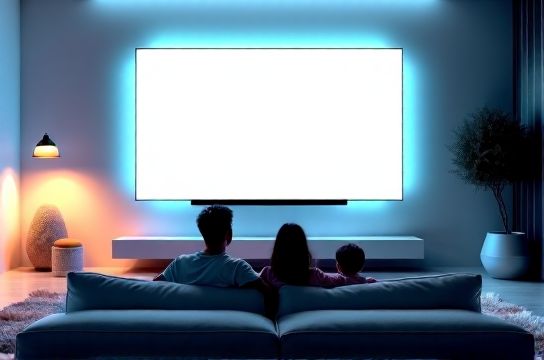
Gone are the days when a 42-inch plasma was considered massive. Now, the average living room setup centers around 65 inches or more. According to Statista, the global average TV screen size jumped from 47 inches in 2019 to 58 inches in 2023, with projections hitting 61 inches by 2025. That’s nearly a 30% increase in just six years!
Why the surge? Three key factors:
- Streaming & Immersive Content: With 4K HDR content on Netflix, Disney+, and Apple TV+, viewers want larger canvases to appreciate detail.
- Falling Prices: A 65-inch 4K TV now costs what a 55-incher did just three years ago.
- Bigger Homes & Open Layouts: More wall space = bigger TVs.
But size isn’t everything. Viewing distance matters. Here’s a quick guide based on THX and SMPTE recommendations:
| Screen Size (inches) | Recommended Distance (feet) | Best For Room Size |
|---|---|---|
| 55 | 6–8 | Small living rooms, bedrooms |
| 65 | 8–10 | Average living rooms |
| 75 | 10–12 | Large open spaces |
| 85+ | 12–15 | Home theaters, dedicated media rooms |
As you can see, going ultra-large like an 85-inch model only makes sense if you have the space. Otherwise, you’ll end up with neck strain and pixel fatigue.
Another trend? Mini-LED and OLED adoption is making big screens more viable. These technologies reduce glare and boost contrast, so even in bright rooms, large displays remain watchable. In fact, OLED sales grew by 27% YoY in Q1 2024 (per Omdia), largely driven by 65-inch+ models.
Still unsure what size fits your space? Try this hack: hold a tape measure at your usual seating distance. Multiply that number by 1.5 — that’s roughly the diagonal size (in inches) you should consider. For example, seated 9 feet away? Aim for a 65–75 inch TV.
The bottom line: larger TV screens are no longer a luxury — they’re becoming the standard. But smart buyers match size with room dynamics and content habits. Don’t just follow the trend; own it wisely.