Voice Control Features Driving New TV Purchases
- 时间:
- 浏览:323
- 来源:OrientDeck
Let’s be real — when was the last time you used your TV remote without fumbling in the dark? If you're still pressing buttons like it's 2010, you’re missing out. Voice control isn’t just a fancy add-on anymore; it’s quickly becoming the main reason people are upgrading their TVs. In fact, over 68% of smart TV owners now use voice commands at least once a week, according to a 2023 Parks Associates report.
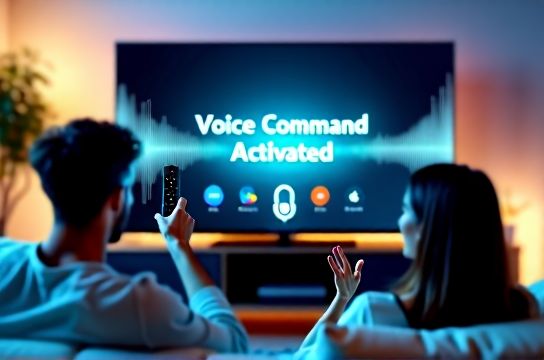
Why Voice Control Is a Game-Changer
Gone are the days of endless menu scrolling. With built-in voice assistants like Google Assistant, Alexa, and Bixby, you can switch inputs, adjust volume, search for shows, or even dim the lights — all without lifting a finger. Brands like Samsung, LG, and TCL have doubled down on this tech, integrating far-field microphones and natural language processing to make interactions smoother than ever.
But not all voice systems are created equal. Here’s how top brands stack up:
| TV Brand | Voice Assistant | Hands-Free Activation | Multi-App Search | Smart Home Control |
|---|---|---|---|---|
| Samsung (QLED/OLED) | Bixby, Alexa | ✅ | ✅ | ✅ |
| LG (webOS OLED) | Google Assistant, Alexa | ✅ | ✅ | ✅ |
| TCL (Android TV) | Google Assistant | ✅ | ✅ | ✅ |
| Sony (BRAVIA) | Google Assistant | ✅ | ✅ | ✅ |
As you can see, most high-end models now support seamless voice control integration, but where they differ is in responsiveness and ecosystem compatibility. For example, if you’re deep in the Google ecosystem, an LG or TCL TV with full Google Assistant support will feel more natural.
Real-World Benefits You Can’t Ignore
- Faster content discovery: Say “Find action movies on Netflix” instead of typing with a remote.
- Accessibility boost: Seniors and users with mobility issues find voice navigation way easier.
- Smart home hub potential: Your TV can become the command center for lights, thermostats, and security cams.
And here’s a pro tip: TVs with dedicated voice remotes (like the Samsung Smart Control or Amazon Fire Stick remote) often offer better mic sensitivity and fewer false triggers than built-in mics.
The bottom line? If you're shopping for a new TV, skipping voice-enabled models is like buying a car without power steering — technically possible, but why make life harder?
As voice AI gets smarter, we’ll likely see features like personalized recommendations based on who’s speaking, or even mood-based lighting adjustments. The future’s not just coming — it’s already talking to you.