Aromatic Qualities of Zitan Rosewood Bracelets
- 时间:
- 浏览:267
- 来源:OrientDeck
If you've ever held a Zitan rosewood bracelet, you probably noticed more than just its rich, deep color — there's a subtle, lingering scent that feels both calming and luxurious. But what exactly makes these bracelets smell so unique? And why are people willing to pay top dollar for them? Let’s break it down like a true connoisseur.
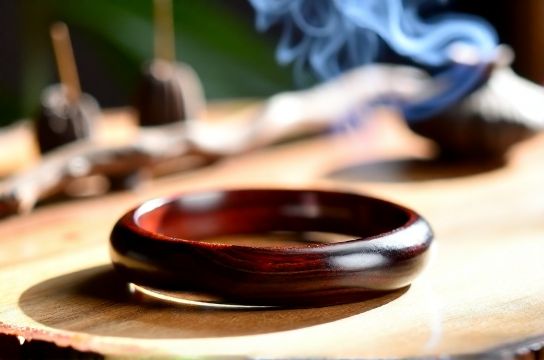
Why Zitan Rosewood Smells Different
Zitan (scientifically known as Pterocarpus santalinus) is one of the rarest hardwoods in the world, native to parts of Southern China and Southeast Asia. What sets it apart isn’t just its density or beautiful grain — it’s the natural aromatic compounds embedded in the wood over decades, sometimes centuries, of slow growth.
When you rub a genuine Zitan rosewood bracelet, it releases a faint, sweet-woody fragrance with hints of sandalwood and aged herbs. This isn’t perfume — it’s nature doing its thing. The aroma comes from essential oils and resins that accumulate in the heartwood, especially in trees over 300 years old.
Science Behind the Scent
Studies have shown that Zitan contains high levels of santalin and flavonoids, which not only give it that signature reddish-purple hue but also contribute to its long-lasting fragrance. Unlike cheaper alternatives that fade within weeks, authentic Zitan retains its scent for years — even decades — due to its dense cellular structure.
Here’s how Zitan compares to other popular woods used in bracelets:
| Wood Type | Aroma Longevity | Density (g/cm³) | Essential Oil Content |
|---|---|---|---|
| Zitan Rosewood | 5–10+ years | 1.2–1.3 | High |
| Sandalwood | 3–5 years | 0.8–0.9 | Moderate-High |
| Rosewood (Brazillian) | 1–2 years | 0.8–1.0 | Moderate |
| Pine (Common Imitation) | Days–Weeks | 0.4–0.5 | Low |
As you can see, Zitan outperforms others across the board — especially when it comes to aromatic longevity and material density. That’s why real Zitan beads don’t float in water. Pro tip: if your “Zitan” bracelet floats, it’s likely fake.
How to Spot Real vs. Fake Zitan Bracelets
The market is flooded with counterfeits — dyed red sandalwood, painted bamboo, or even plastic made to look like Zitan. Here’s how to tell the difference:
- Smell test: Rub the beads gently. Real Zitan has a soft, enduring fragrance; fakes often smell like chemicals or nothing at all.
- Water test: Drop it in water. Authentic Zitan sinks immediately.
- Color shift: Over time, real Zitan darkens into a lustrous burgundy, especially with skin contact. Fakes stay unnaturally bright.
And here’s a pro move: touch it to your tongue. Yes, really. Genuine Zitan has a slightly astringent, tannin-rich taste — a sign of natural aging.
Why Aroma Matters in Wellness & Fashion
In traditional Chinese medicine, the scent of Zitan is believed to calm the mind, reduce stress, and balance Qi. Modern aromatherapy research supports this — woody scents like Zitan’s have been linked to lower cortisol levels and improved focus.
But beyond wellness, wearing a Zitan rosewood bracelet is a quiet flex. It tells people you appreciate craftsmanship, rarity, and subtle elegance — no logos needed.
The Bottom Line
Not all wood bracelets are created equal. If you want lasting fragrance, beauty, and authenticity, nothing beats real Zitan rosewood. Just remember: price is a clue. True Zitan costs more because it’s endangered and slow-growing. If it’s cheap, it’s not real.